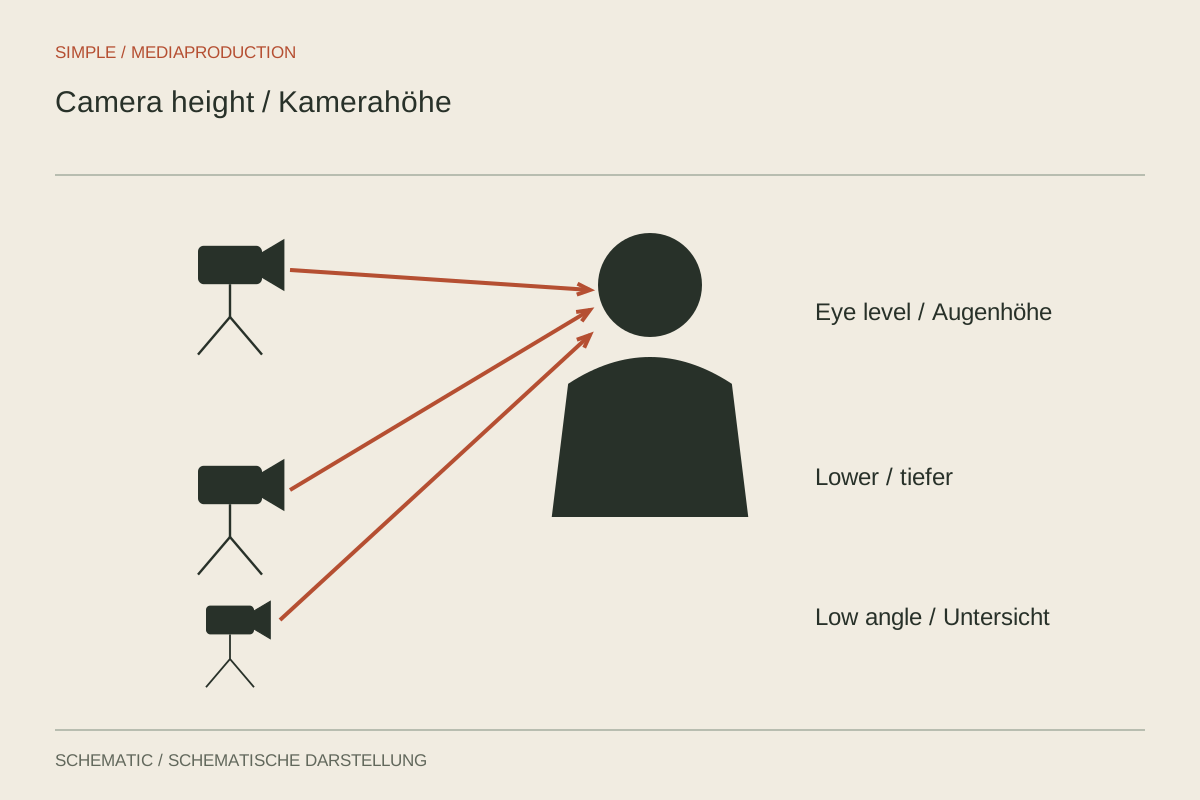
A camera at chest height, eye level or just above a table shows the same person differently. The issue is not only a generic impression such as powerful or small. Height also determines whether hands, working surfaces and background fit together. Choose it according to the information that needs to be visible, then check how the person feels within that composition.
Establish the eyeline in a conversation
For a calm interview, eye level is often an understandable starting point. Set it for the seated contributor rather than the standing camera operator. The interviewer also needs a suitable position. If they stand much higher, the guest will look upwards even though the lens itself remains at eye level.
A slightly higher or lower position may work deliberately, perhaps to avoid a distracting background. Inspect the face, glasses and ceiling areas from the new angle. A small height change can remove a reflection or place a lamp directly behind the head. Judge the whole composition instead of treating a measured height as proof of a good result.
Preserve a view of the working surface
At a workbench, eye level may be too low to reveal the action. A higher camera shows the surface better but can hide lettering on the front of a device. Decide which view explains the particular step. An overview with a separate detail is often clearer than one compromise angle that only partially reveals everything.
Let the person move naturally during the trial. An empty table looks clear, but hands and arms may later block the important component. Check the line of sight from the lens to the critical contact point. Move the camera or object when needed before asking the contributor to maintain an unnatural posture simply to accommodate an inconvenient angle.
Compare three heights
Record the same short action from three slightly different heights. Keep focal length and approximate subject size consistent where possible, so height remains the identifiable change. Compare the files on a larger display. Ask which view explains the action most clearly and which emphasises unnecessary background information rather than assuming one angle must always be preferable.
Record the selected height against a meaningful reference, such as the eyes or table edge. That is easier to restore on another filming day than remembering which tripod sections were extended. The useful height is the one that works for this scene, not a universal standard for every person, room or demonstration.