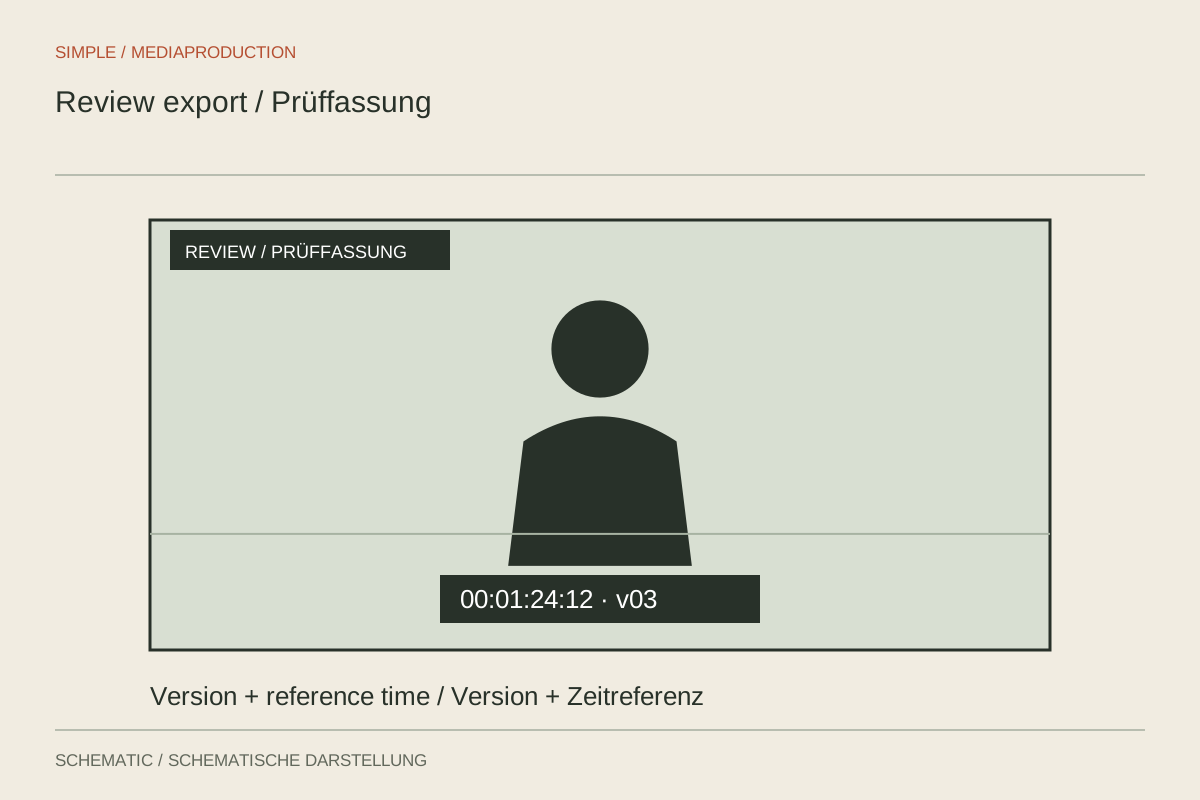
A review copy is a tool for making decisions. It need not use the same bitrate as the final master, but it must represent the qualities being assessed reliably. A heavily reduced video may work for discussing scene order while being unsuitable for checking small lettering or fine picture detail.
State the review task
Explain which aspects should be judged and which remain provisional. A rough cut may prioritise message, order and duration. A later version may specifically request checks of names, captions and the sound mix. Without that distinction, feedback easily concentrates on deliberately unfinished details.
Mark placeholders clearly. Temporary music or a provisional image must not be mistaken for an approved component. At the same time, include enough context to communicate the intended effect. A collection of unexplained gaps makes useful feedback unnecessarily difficult.
Use clear versions and time references
Choose a concise filename containing the project, language and version number. Use the same identifier in the accompanying message. When creating a new version, do not silently replace the old file under an identical name. Otherwise, people may discuss different edits without realising it.
Request feedback with a time position and a specific observation. “The product name is incorrect at 01:12” is actionable. “I dislike the beginning” requires clarification. Burned-in reference time or a suitable review player can help, but agree which time display reviewers should use.
Check the file itself
Open the export outside the editing application. Inspect the beginning, ending, framing, sound and relevant text. An incorrect export range or muted track can undermine the entire discussion. Final image assessment needs sufficient resolution even when that produces a larger file.
Where a review link is used, verify the intended access permissions. Share sensitive drafts only through an appropriate approved route. Make that organisational decision before sending the material, rather than after an unintended recipient has received the link.
Finally, record who reviewed which version and what decision followed. A favourable comment about the rough cut is not automatically technical approval of a later export. The review copy should fulfil a clear purpose instead of relying on the word “final” in a filename to suggest certainty it has not earned.