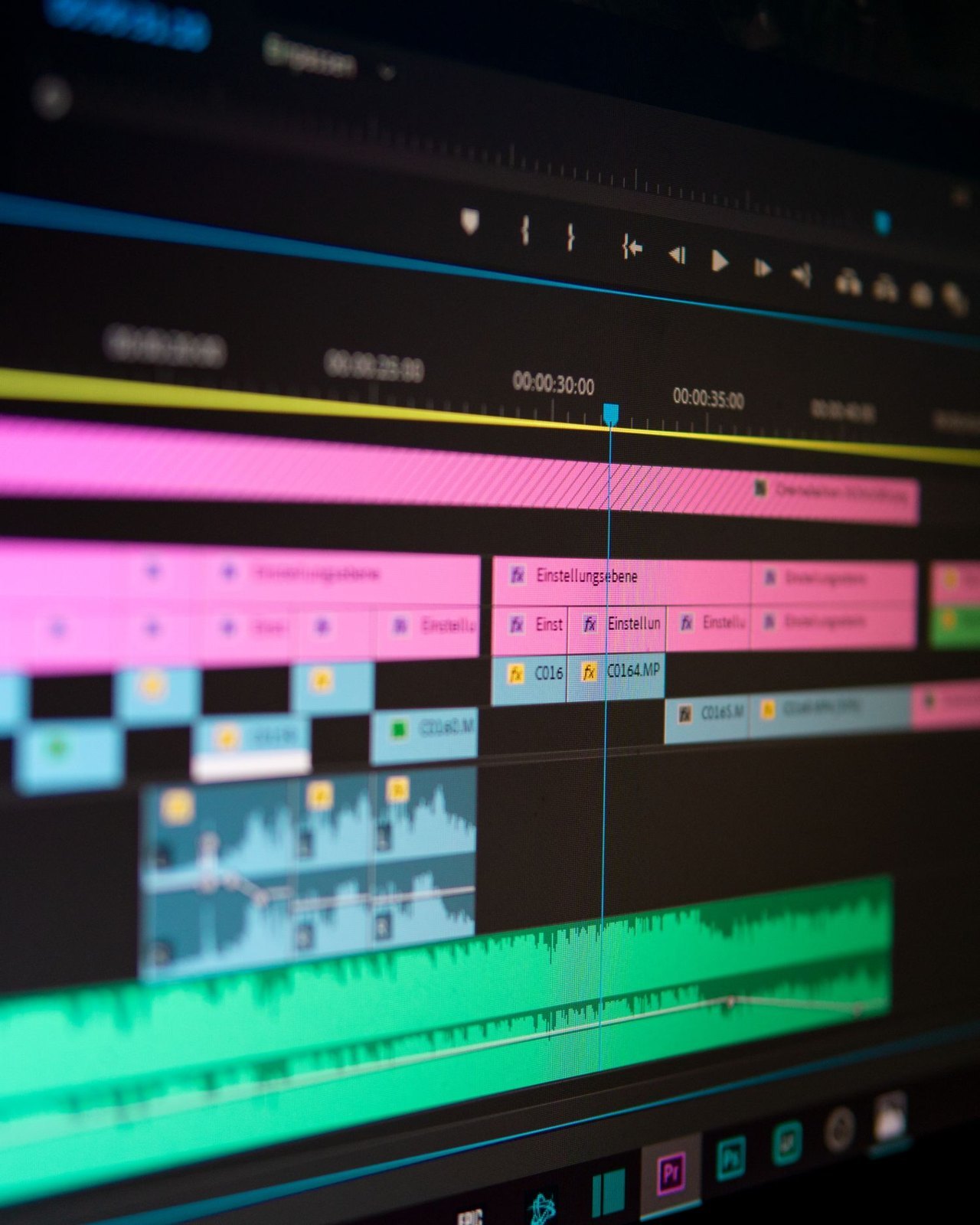
During the first edit, adding music, titles and attractive transitions is tempting. This can temporarily make a weak sequence feel more convincing without making it clearer. A rough cut first answers a simpler question: which pictures and statements does the film need for its content to make sense without extra explanation? Its edges can remain visible.
Begin with necessary statements
Keep the central message or viewer question beside the timeline. Initially select the passages that answer it. A tutorial might need starting condition, action and result. An interview may be built around two or three complete thoughts. Recording order is not necessarily the best storytelling order.
Assemble the chosen pieces with some extra room initially. Do not trim every breath yet. Densely compressing the sequence too early makes later rearrangement harder and may hide important relationships. Mark missing information clearly rather than covering it with arbitrary attractive pictures.
Check connections before pace
Play the sequence without stopping. Is it clear who acts, what changes and why the next step follows? If someone says “there”, the reference must be visible or established in the preceding sentence. An edit can sound grammatically smooth while removing a necessary explanation.
Use music sparingly at first, or temporarily omit it. This reveals whether speech and natural transitions work. A rhythmic track may help later, but should not decide which essential factual information is discarded. Note where attention falls and investigate the cause instead of merely making cuts faster.
Request specific feedback
Show the rough cut to someone unfamiliar with the material. Ask what process or message they understood. A general response such as “I like it” reveals less than their own explanation of the content. Clarify beforehand that colour, detailed sound and graphics are not yet final.
Save the rough cut as a separate project version before major rearrangements. Compare new versions against the original question. If an appealing scene supplies no necessary information, retain it for another piece. The rough cut is ready for the next stage when its order, message and missing components can be clearly identified.