A voice sounds muffled, nasal or unusually thin. Before opening an equaliser, listen to the original recording alone. The cause may be an obstructed microphone opening, strong room reverberation or a second slightly delayed track. Those problems need different treatment from a blanket increase in high frequencies.
Describe the problem in words
Choose a short passage containing ordinary, quiet and forceful words. Describe the distraction specifically: low rumble, a narrow resonant quality or harsh sibilance. That description supports a targeted change. A vague aim such as sounding more professional provides no testable direction.
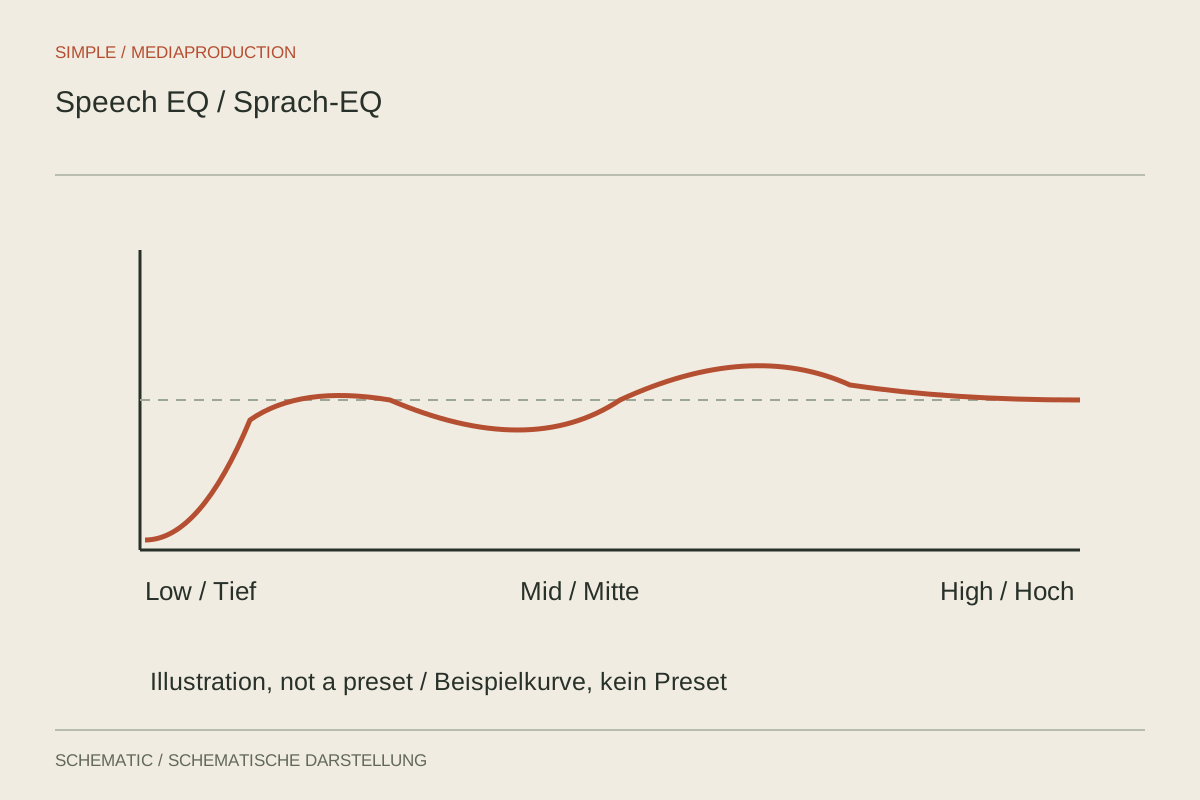
A high-pass filter can reduce unwanted low-frequency content. Do not choose one fixed cutoff for every voice. Raise it cautiously until the disturbance diminishes, then listen for the voice losing body. Move it back if necessary. The recording itself determines the useful setting, rather than a universal preset.
Compare small interventions
A parametric EQ lets you choose the frequency, amount and width of an adjustment. Begin with a moderate reduction in the troublesome region. Broad changes affect the overall character, while narrow changes are more suited to limited resonances. Numerous narrow cuts can unnecessarily complicate the tonal result.
Compare at a similar perceived loudness. A louder processed version can easily seem better simply because it is louder. Match the output level and briefly bypass the effect. Listen beyond the original problem to vowels, breaths and sentence endings that the correction could damage.
Listen within the film
A voice that sounds pleasantly full on its own may become difficult to understand beneath music. Conversely, a slightly lean solo sound may fit the complete mix well. Check the dialogue in its actual context and consider adjusting the competing music before applying more processing to speech.
A broad high-frequency boost often makes sibilants more uncomfortable. If only particular sounds are affected, a more selective treatment may be preferable. Strong reverberation remains reverberation after EQ, even when its tone changes. Increasing frequencies cannot reliably restore syllables that were obscured during recording.
Keep an untreated version and limit processing to changes you can explain. If a setting improves one sentence but harms others, investigate clip-specific corrections. One effect applied across a whole track does not have to suit passages recorded under different conditions or with different microphone positions.