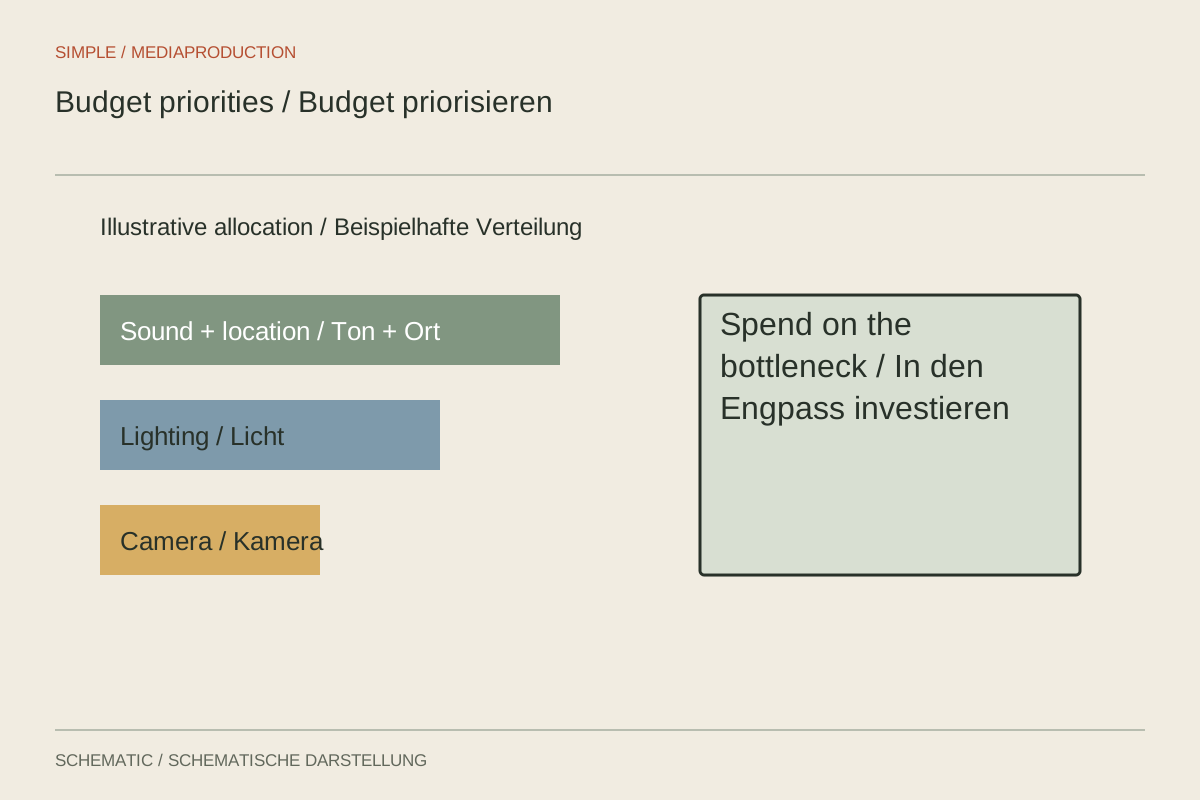
Another camera does not automatically make a film easier to understand. If the room is highly reverberant or editing time is almost absent, the bottleneck lies elsewhere. Begin budgeting with the intended result and the conditions required to achieve it. Equipment is one part, alongside preparation, contributors, transport, sound, post-production and the agreed delivery versions.
Define the minimum scope
Write down which scenes and files are actually necessary. A short explainer may need a quiet location, one speaker, a few details and readable captions. A second location or elaborate camera movement should serve a specific informational purpose. If it appears on the list only through habit, consider a simpler alternative before assigning money to it.
Separate resources already available from work still required. An owned camera may have no new purchase cost for this shoot, but it needs operating time, storage and possibly accessories. Borrowed equipment can introduce transport and familiarisation costs. Compare the whole effort rather than the price on a rental quote. The cheapest individual item can create extra hours elsewhere in the workflow.
Explain the order of spending
In a spoken tutorial, intelligible audio is essential. A suitable microphone and room may therefore contribute more than a particularly fast lens. For small product lettering, a sufficiently large, steady detail shot may be decisive. Spending should follow the necessary information, rather than a universal ranking of desirable equipment that ignores what this particular film must show.
Protect time for a test and for checking the finished files. A fault discovered before filming can often be fixed with a small adjustment. The same fault discovered afterwards may require another journey or replacement footage. This working time belongs inside the production budget, not only in a list of extras to consider if money happens to remain.
Consider a workshop tutorial where a camera and tripod are already available. The choice is between an additional gimbal and half a day for clean detail shots and audio refinement. If camera movement adds nothing to the explanation, the second expense is closer to the objective. For a guided walkthrough, the comparison could change. The particular film must provide the basis for the decision.
Cost changes visibly
Another language version is not merely an extra export. Translation, recording, captions and another review may be required. A different aspect ratio can also need new compositions. Record those consequences before treating an additional deliverable as a trivial favour. Otherwise, the original quality-control time quietly becomes the reserve used to pay for every unplanned addition.
Keep a reasoned contingency for known uncertainties, such as longer access arrangements or another review round. A generic percentage says little without project context. Instead, identify the event the allowance covers and who decides when to use it. This makes it possible to distinguish an anticipated adjustment from a new request outside the original agreement.
Protect quality by simplifying
When funds are insufficient, reduce scope first: fewer locations, fewer versions or a more focused message. Preserve the checks and clear execution needed for the remaining work. One small process explained completely is usually more useful than many hurriedly filmed subjects. Document that decision so the eventual result is assessed against the work actually agreed, rather than an earlier wish list.