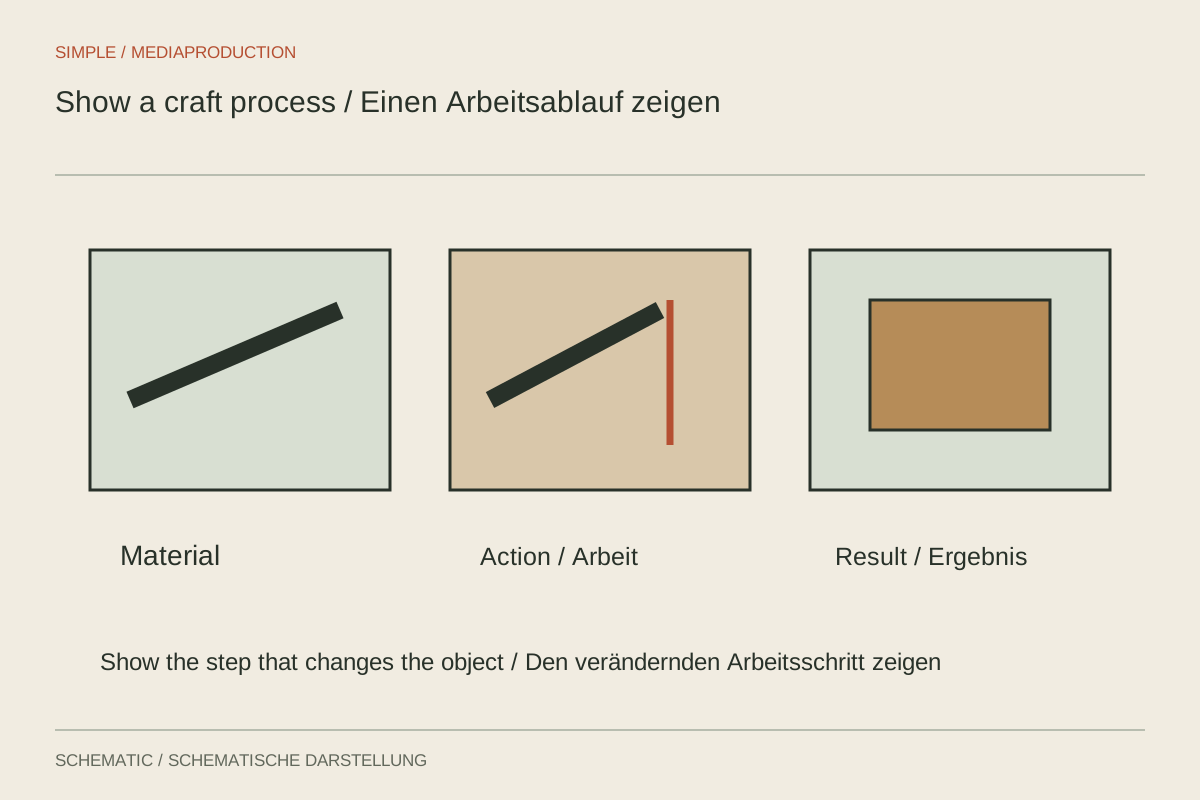
A craft process can be easier to watch than to understand. Critical alignment, a small gap or the order of two movements may disappear in a wide shot. Plan the recording for someone unfamiliar with the task, rather than relying on the demonstrator's routine knowledge.
Break the process into visible decisions
Ask the demonstrator to explain the operation slowly and identify its critical moments. How do they know a part is seated correctly or that the next step can begin? These observations determine the required shots. A list of tool names alone does not explain the process.
Choose a manageable section. A film about aligning one component can be more informative than a very brief summary of the entire project. State prerequisites where preparatory work is not shown. An omitted preparation should not appear to be an unnecessary task.
Connect the overview and contact point
First establish the positions of hands, tool and workpiece. Then show the detail that reveals the critical contact or spacing. Preserve directional relationships. Suddenly switching to the opposite side can appear to reverse left and right, making the action harder to follow.
Do not ask for unsafe or unnatural movements merely to suit the camera. If a position obstructs the work, change the filming plan. An additional explanatory close-up of a stationary state may communicate more than a risky camera position during the actual operation. The recording should document proper working practice.
Hold important intermediate states briefly. A measurement, mark or joint needs to be visible before the hand continues. Request a separate explanation after the action where useful. This preserves the real operation while allowing commentary to address the visible detail precisely.
Keep necessary steps in the edit
Shorten repetition, but retain at least one complete example. Where a gesture occurs several times, a brief indication can explain the reduction. A rapid montage should not suggest that preparation, securing or checking can simply be omitted.
Listen to relevant working sounds and speech separately. Loud tools can make simultaneous explanation unintelligible. Add quiet narration where needed and align it with the visible states. The finished film should distinguish the demonstrated activity, additional explanation and deliberately shortened passages clearly.