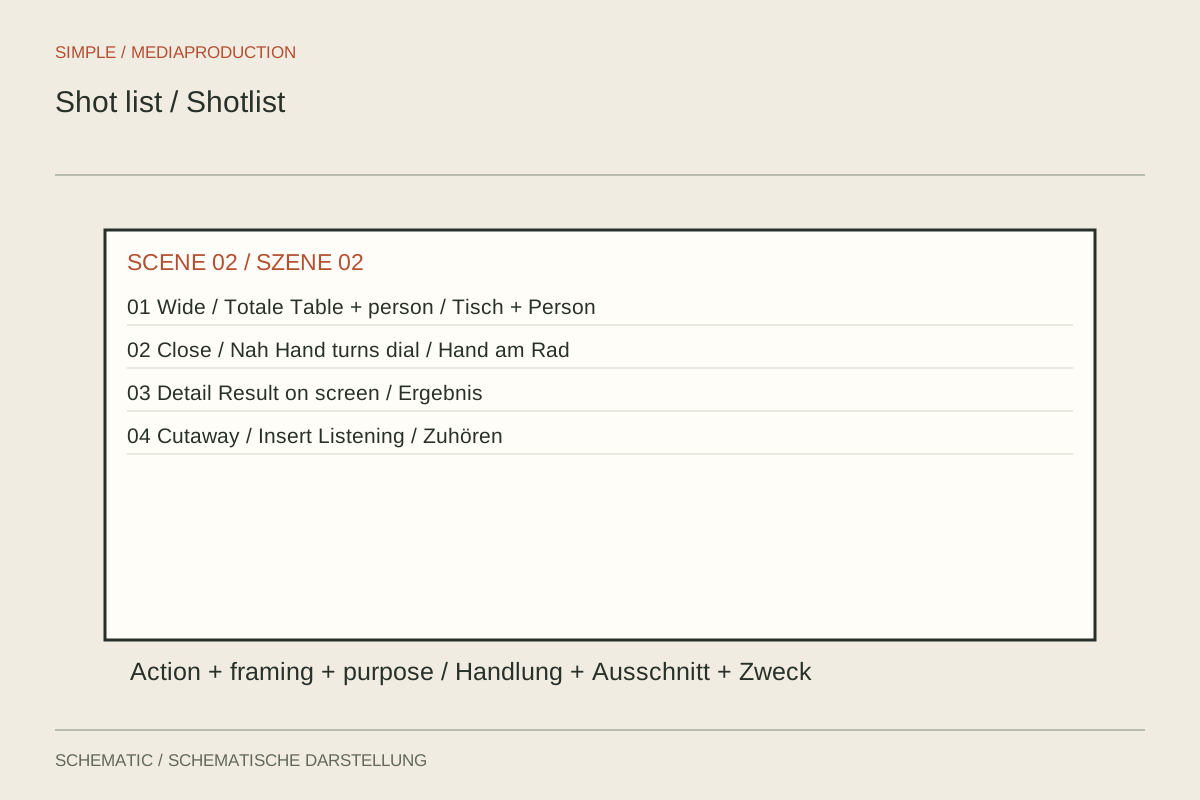
A list saying “interview, hands, building” is quick to write but leaves many decisions unresolved. Whose hands doing what? Which view of the building explains the entrance? A useful shot list states the information each setup should provide and helps establish whether it has been recorded. It does not replace crew communication; it provides a shared reference for that conversation.
Each row needs an actionable instruction
Assign a unique number and describe the subject, shot size and action. “07: close-up, right hand opens the blue latch, opening remains fully visible” is easier to check than “nice detail.” Add sound requirements and special conditions where they matter. A hand movement explained in sync needs a different audio setup from a silent detail beneath later narration.
Separate essential coverage from additional possibilities. For an assembly sequence, the starting condition, critical action and result may be indispensable. A decorative camera move can remain optional. This distinction helps when time is lost: the film must first communicate its meaning. It should not become an excuse to omit essential transitions or results merely because they appear less visually exciting.
Shoot by setup, edit by action
The list need not follow the final film order. Several details using the same tabletop lighting can be recorded together. Still identify which section each belongs to. Avoid accidentally changing visible states while grouping them: a sealed package will not match the preceding shot of loose contents waiting to be packed.
A location move takes more than travel time. Allow for dismantling, transport, access and another sound check. Group shots first by location and lighting setup, then by smaller framing variations. When contributors have limited availability, their appointment may take priority over the technically easiest order. The list should expose these dependencies rather than hiding them in an unrealistic sequence.
Record the status on set
Distinguish “recorded” from “checked and usable.” A tick after pressing the record button says nothing about focus, sound or an obscured action. Note the filename or take number and a brief reason for problem footage. “Hand hides latch” is more useful later than “not good.” It also tells the camera operator what must change in a repeat.
Before dismantling the setup, compare essential rows with the files actually available. A short extra detail may rescue the edit. Give spontaneous additions an identifier too. That preserves the distinction between planned coverage and opportunities discovered on location, while allowing both to become useful parts of the finished sequence.