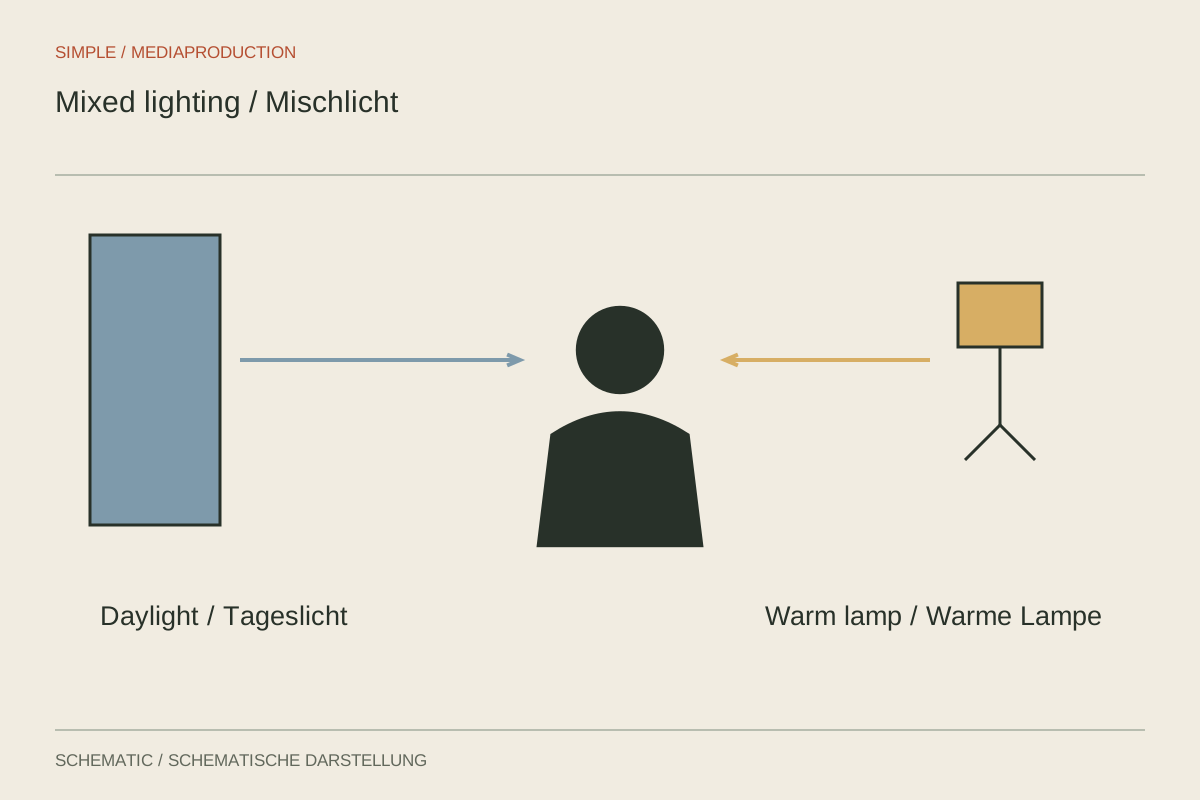
Beside a window, one side of a face may look neutral while the other becomes yellow or green under a ceiling fixture. This is a spatial lighting problem: different sources illuminate different surfaces. One white balance changes the whole image. It cannot independently remove two opposing casts at the same time. For an interview, examine the sources separately before recording.
Reveal the sources individually
Start with fixed exposure and white balance. Record the same composition with every light on, then without the room lights, and finally with the window screened if the location allows it. Compare the face, white clothing and a neutral card at the speaker's position. A card in the background may be receiving entirely different illumination.
An LED's Kelvin setting does not describe its complete colour rendering. Two fixtures at the same setting can differ along the green–magenta axis. Coloured walls and curtains also change reflected light. If a cheek beside a vivid green wall looks tinted, adjusting the main fixture may accomplish less than moving the chair.
Choose a dominant source
For a small setup, using the window as the main source and switching off troublesome ceiling lamps is often simpler. When room lights must stay on, it may be possible to seat the speaker outside their strongest pool of light. Aim an added fixture so it meaningfully shapes the face rather than merely adding another colour to the mixture.
Another option is to limit daylight with curtains and light the recording area separately. First check whether this turns a bright background window into a dark patch or changes the room's appearance undesirably. The choice affects the entire composition, not just skin colour.
A deliberate difference can remain
A warm table lamp in the background can look warm. It does not have to match the face, provided it is not spilling unwanted light onto it. In a product demonstration, accurate rendering of the product surface may matter more than a striking background colour. Decide which areas should appear neutral before filming.
Once the sources are organised, set white balance again under the lighting actually being used. Record a neutral reference and several seconds of movement. A speaker turning their head should not unexpectedly enter a differently coloured pool of light. If a mixture cannot be eliminated, keep its contribution as consistent as possible across connected shots. A stable difference is usually easier to evaluate and adjust than a constantly changing cast.
Compare two lighting states
Consider an interview in a kitchen: the window illuminates the left cheek while a warm pendant lights the right. Record both together first. Then switch off only the pendant and adjust exposure transparently if necessary. If the face becomes more consistent while the background remains readable, this simpler state may provide the foundation. If the room becomes unusably dark instead, investigate a more neutral added source or another seating position.
Also assess a turn towards the worktop. The same speaker may move back beneath the pendant there. A good interview position therefore does not validate a demonstration. Either arrange conversation and action as deliberately separate setups, or light the movement area consistently. Record the decision in the shooting plan so a later detail is not accidentally filmed under the original mixture. Capture a neutral reference for both separate arrangements.