Light & location
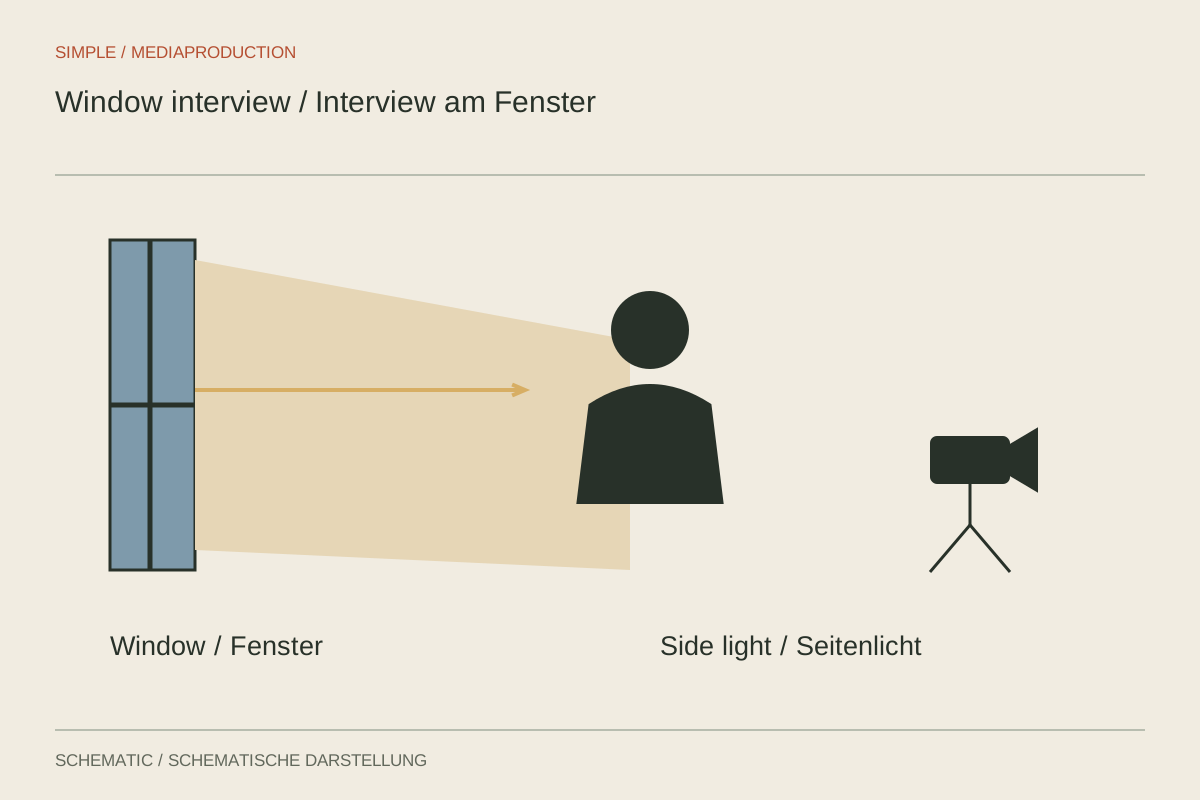
Using window light for an interview
Window light can carry an interview when direction, distance and changes over time are checked first.
18 articles
Adapt light sources, reflections and backgrounds to the available space.
Light & location
Window light can carry an interview when direction, distance and changes over time are checked first.
Light & location
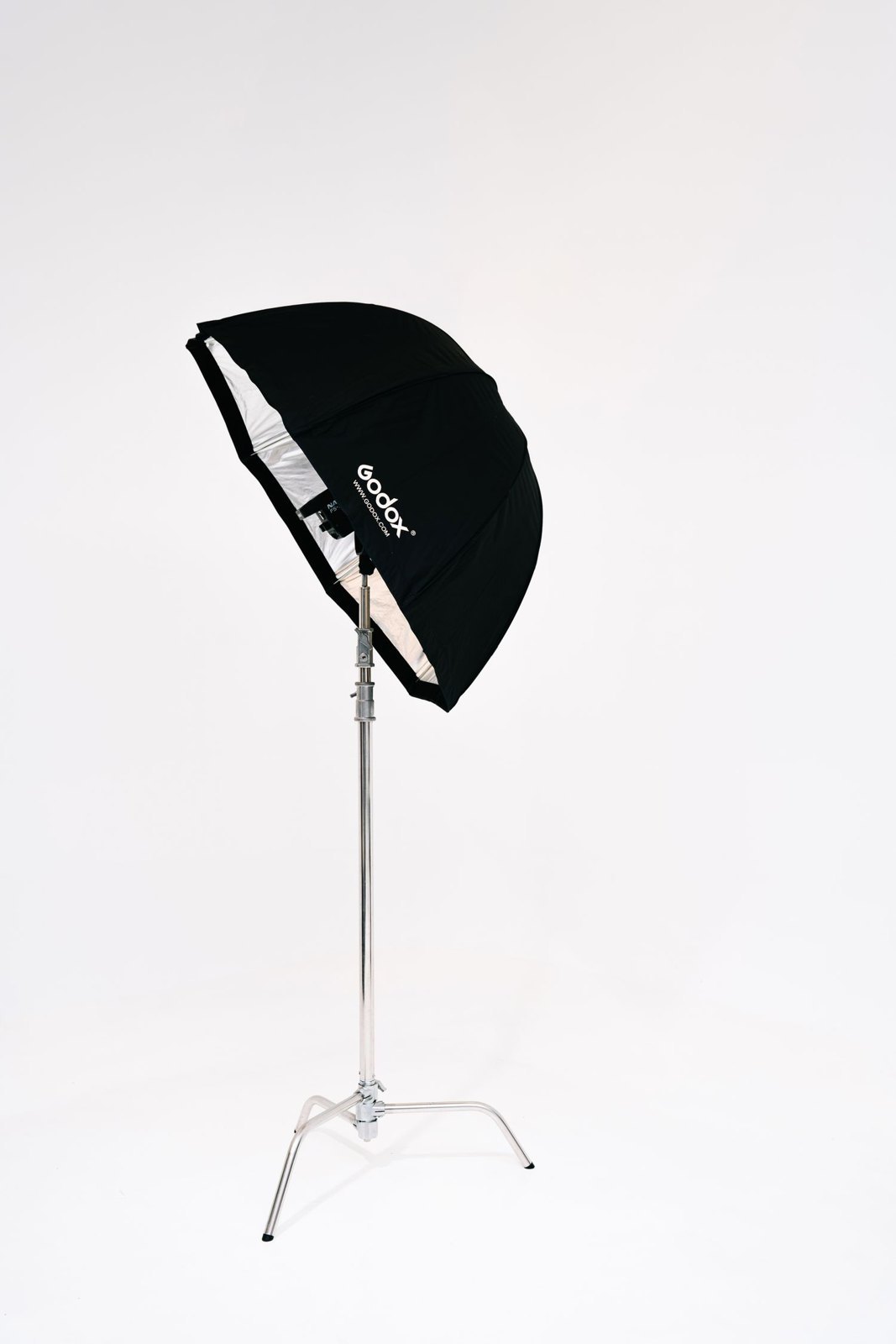
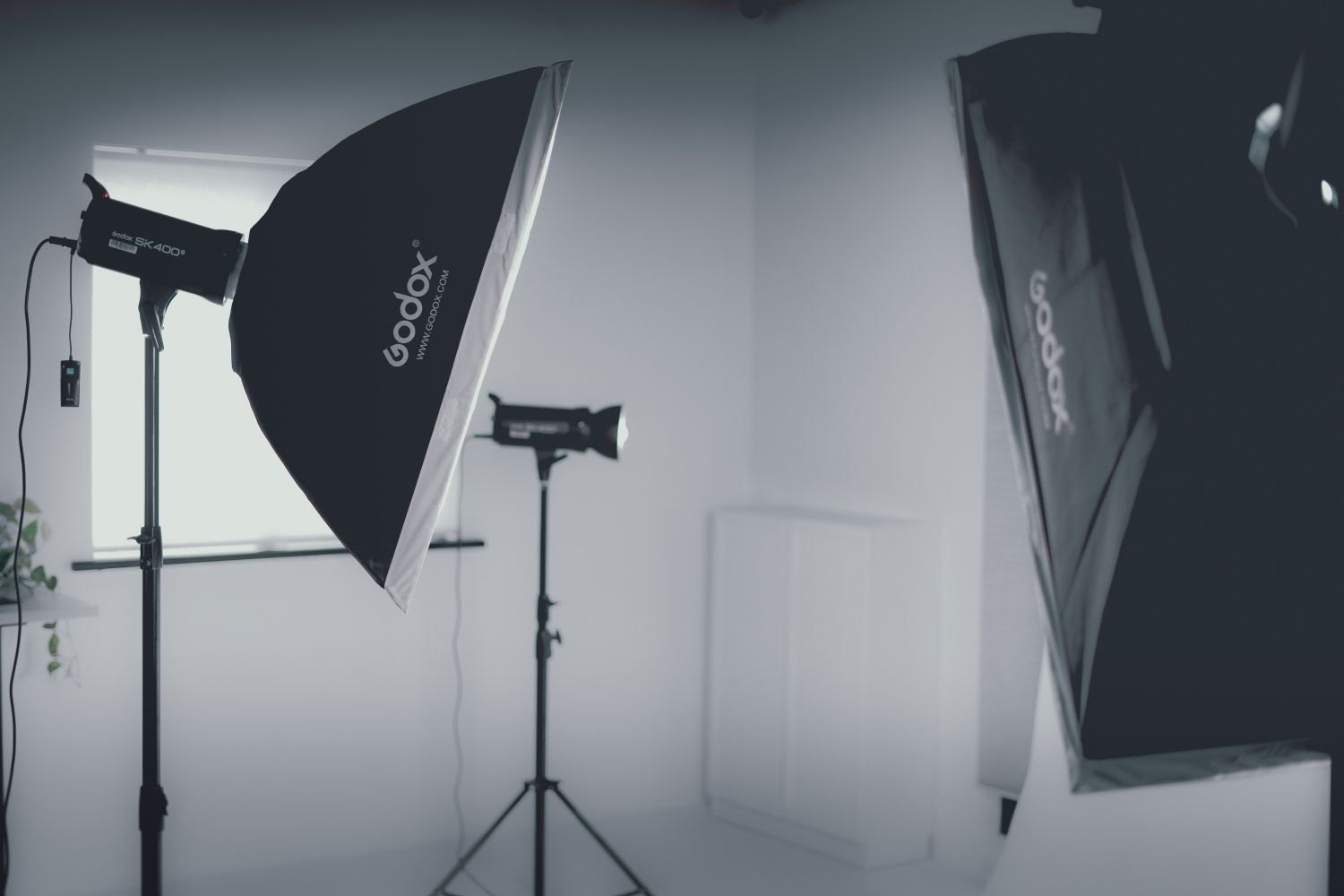
One light can shape a face when room reflections and background are considered deliberately.
Light & location
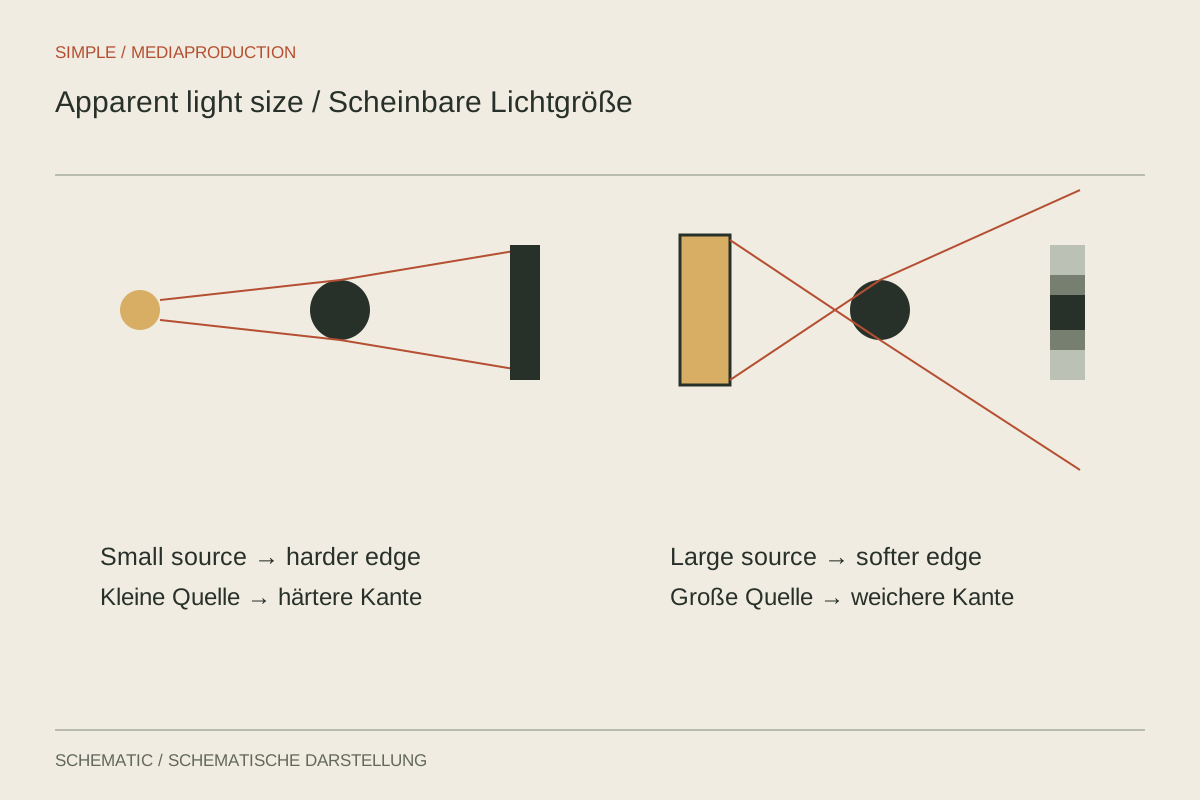
Soft or hard primarily describes shadow edges. Brightness and contrast are separate choices.
Light & location
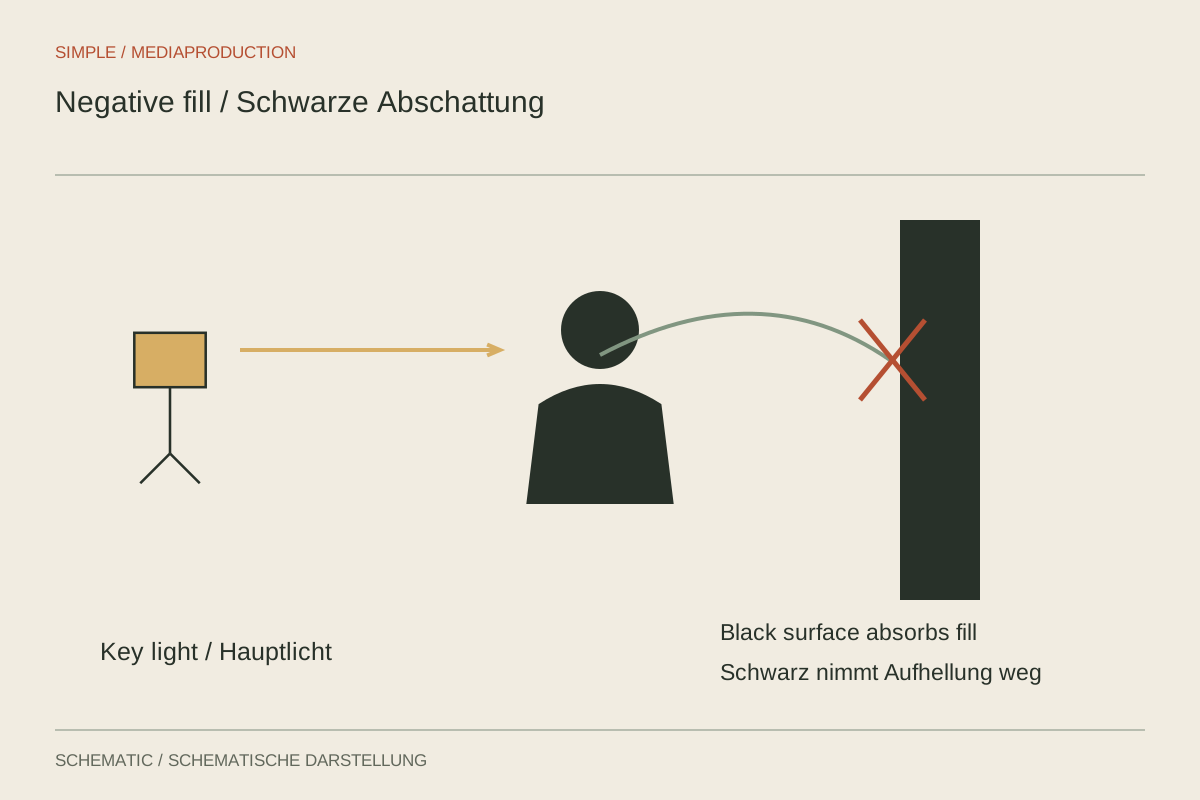
Black surfaces reduce reflected light and can shape the shadow side without adding another lamp.
Light & location
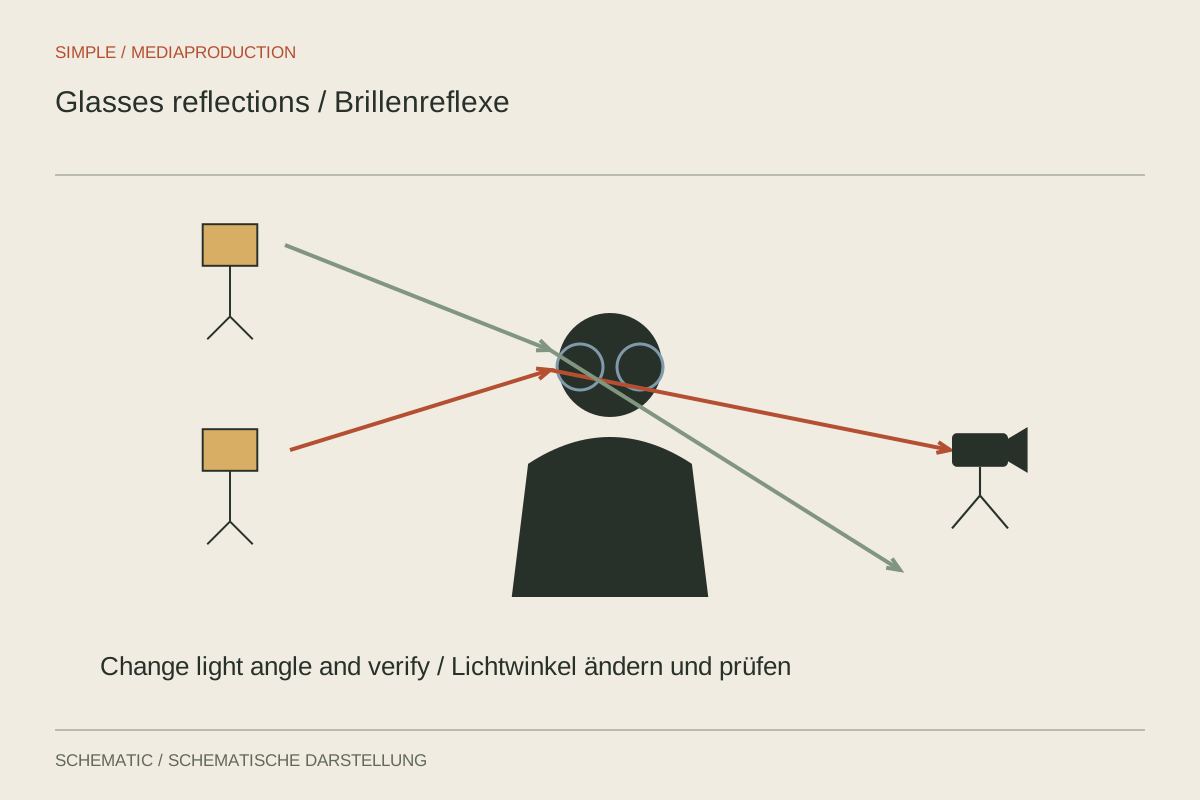
Glasses reveal the light source. Small changes in angle can clear the eyes without forcing the speaker into an unnatural posture.
Light & location
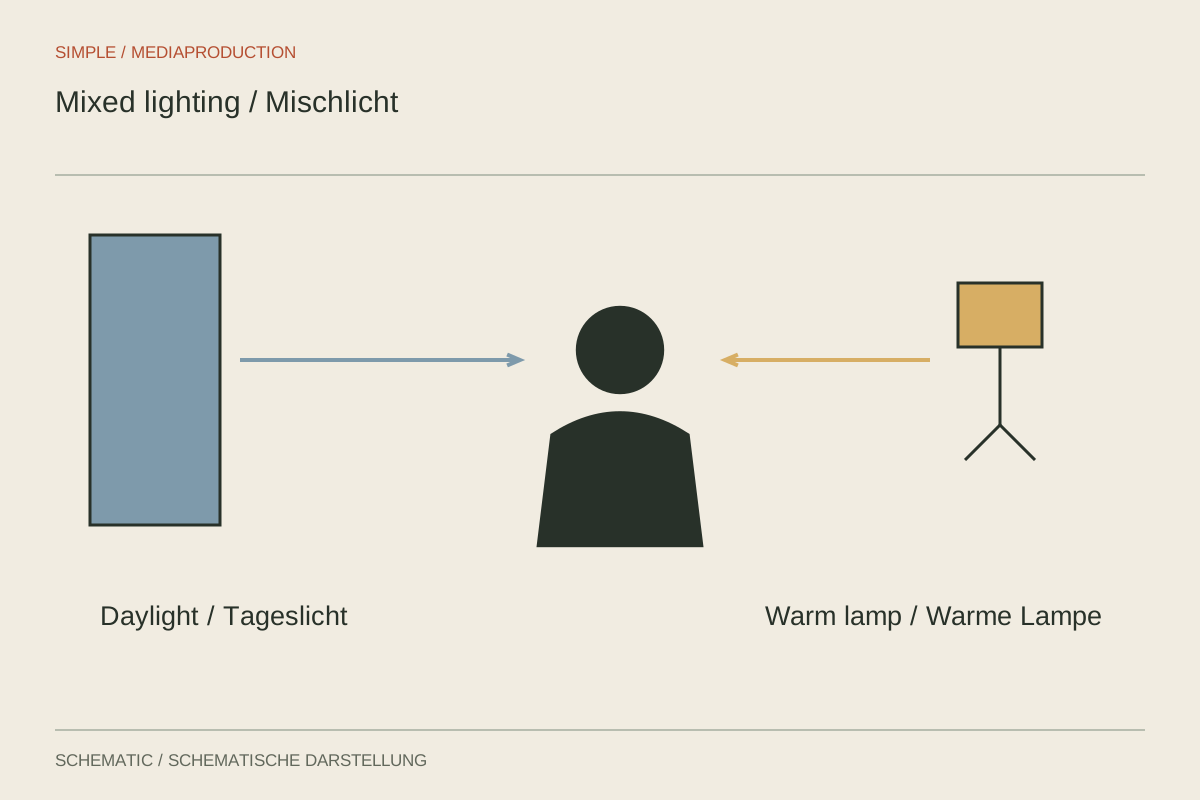
One white balance cannot always correct differently coloured sources. What matters is which light reaches the face.
Light & location
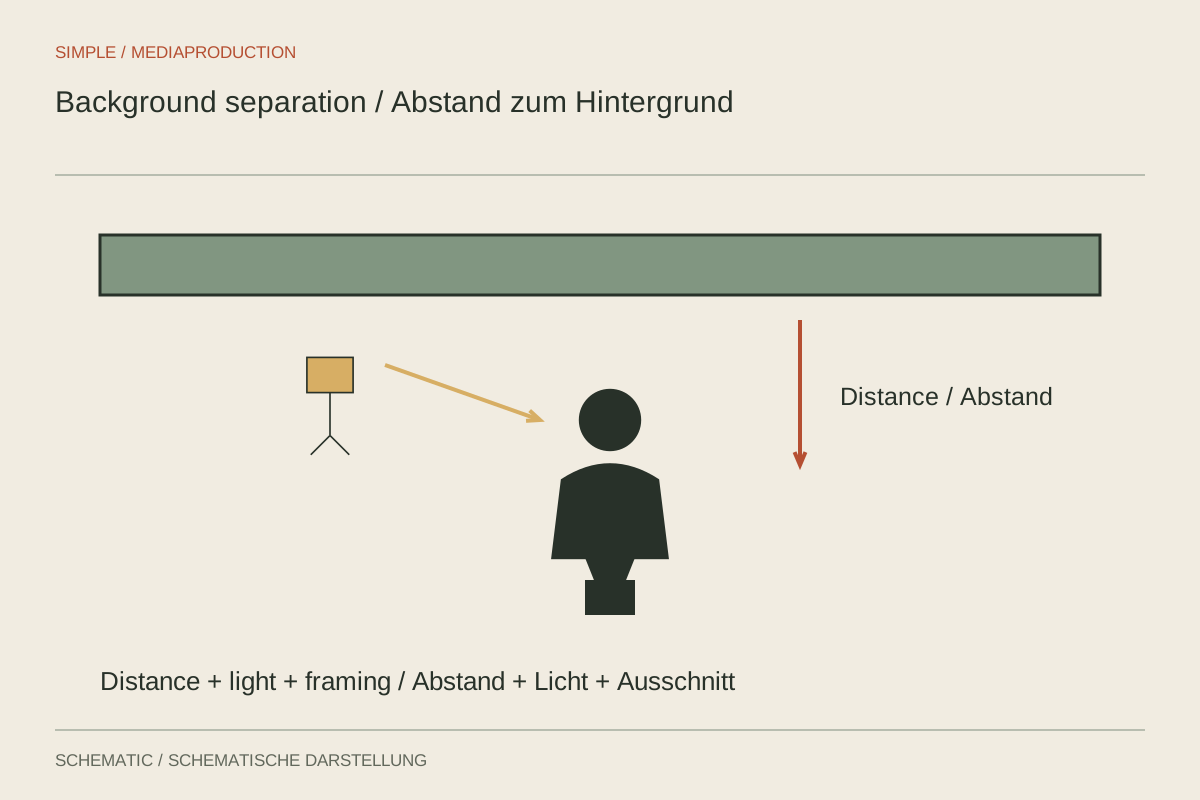
Distance, brightness and colour can distinguish a speaker from the background. A separate rim light is only one option.
Light & location
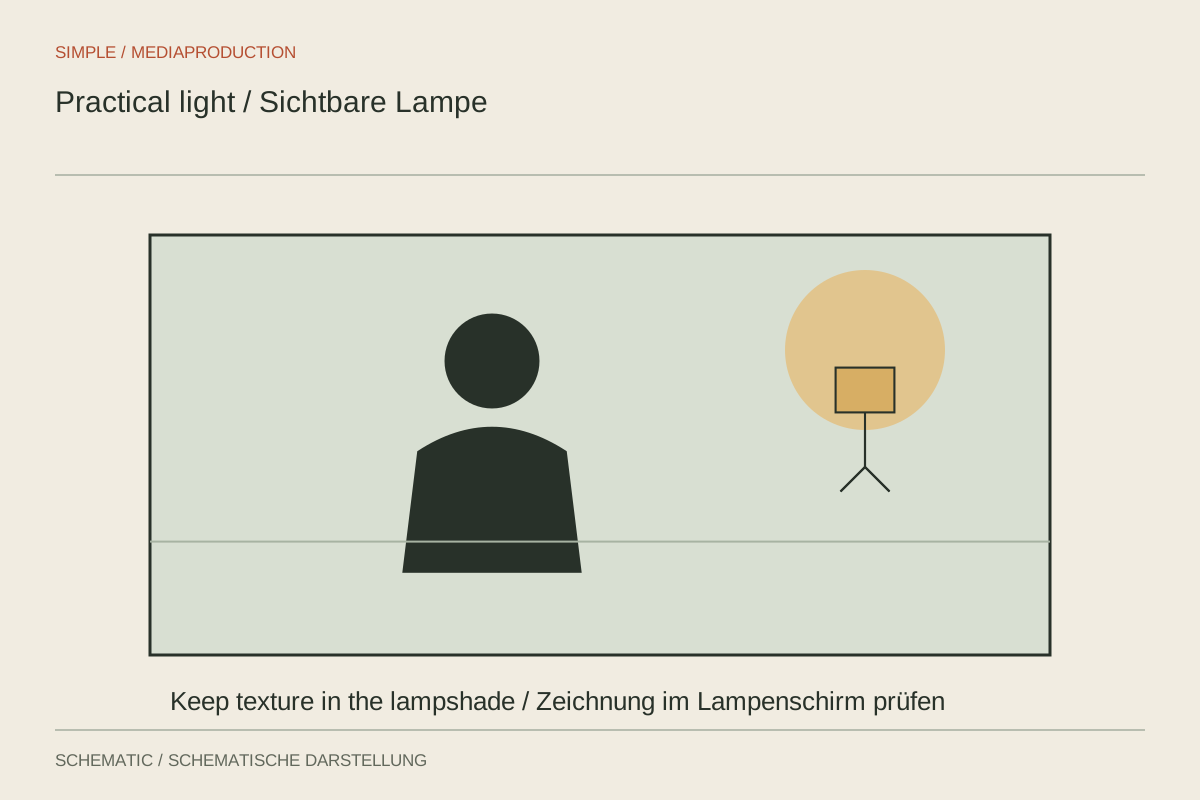
A visible lamp can explain the room and motivate its lighting. Its brightness still needs to work with the face and camera.
Light & location
In a tight room, camera, lighting and microphone compete for space. Begin with framing and movement routes.
Light & location
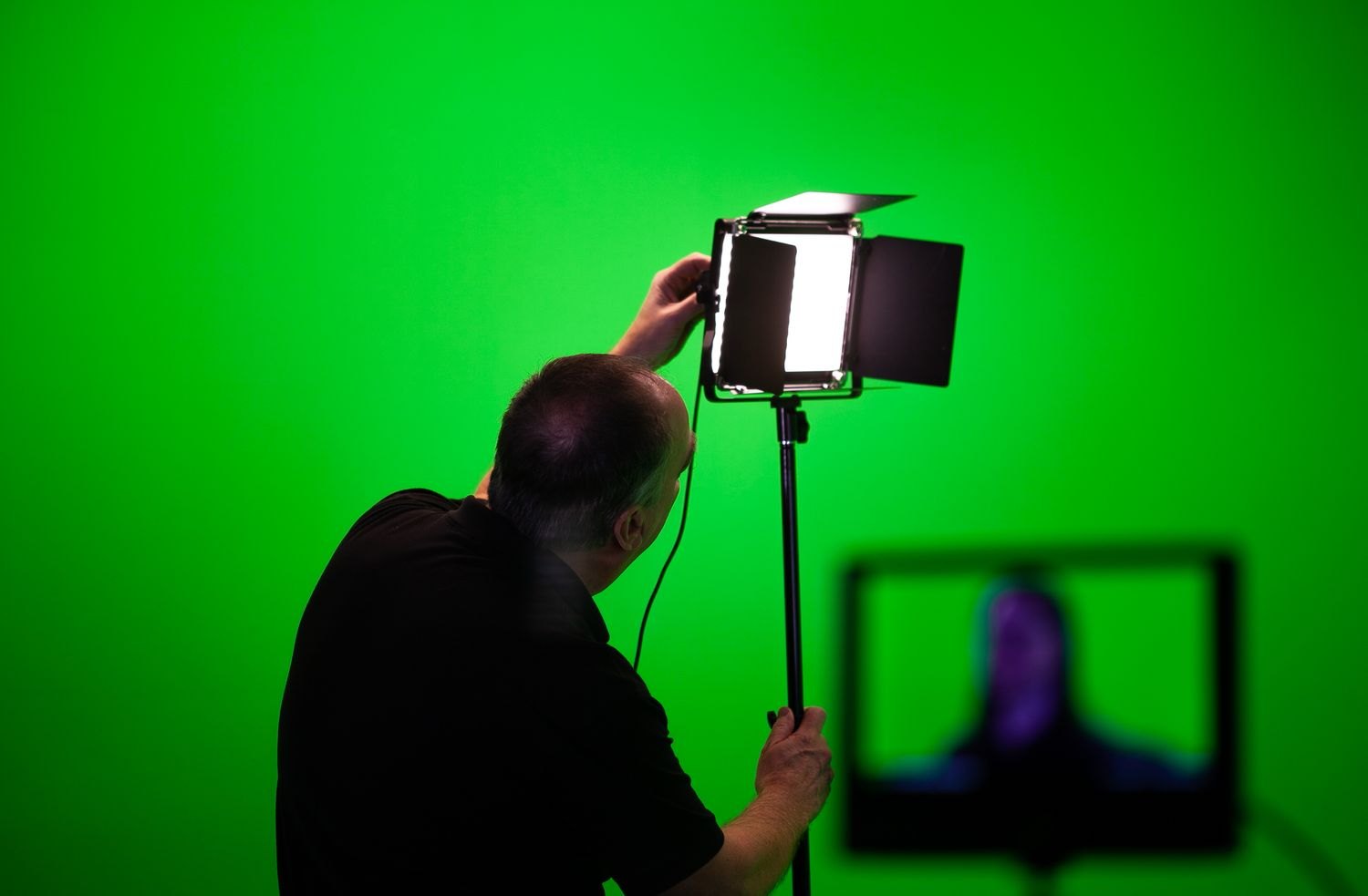
An evenly lit green background makes keying easier. Prepare the screen, speaker and replacement scene separately.
Light & location
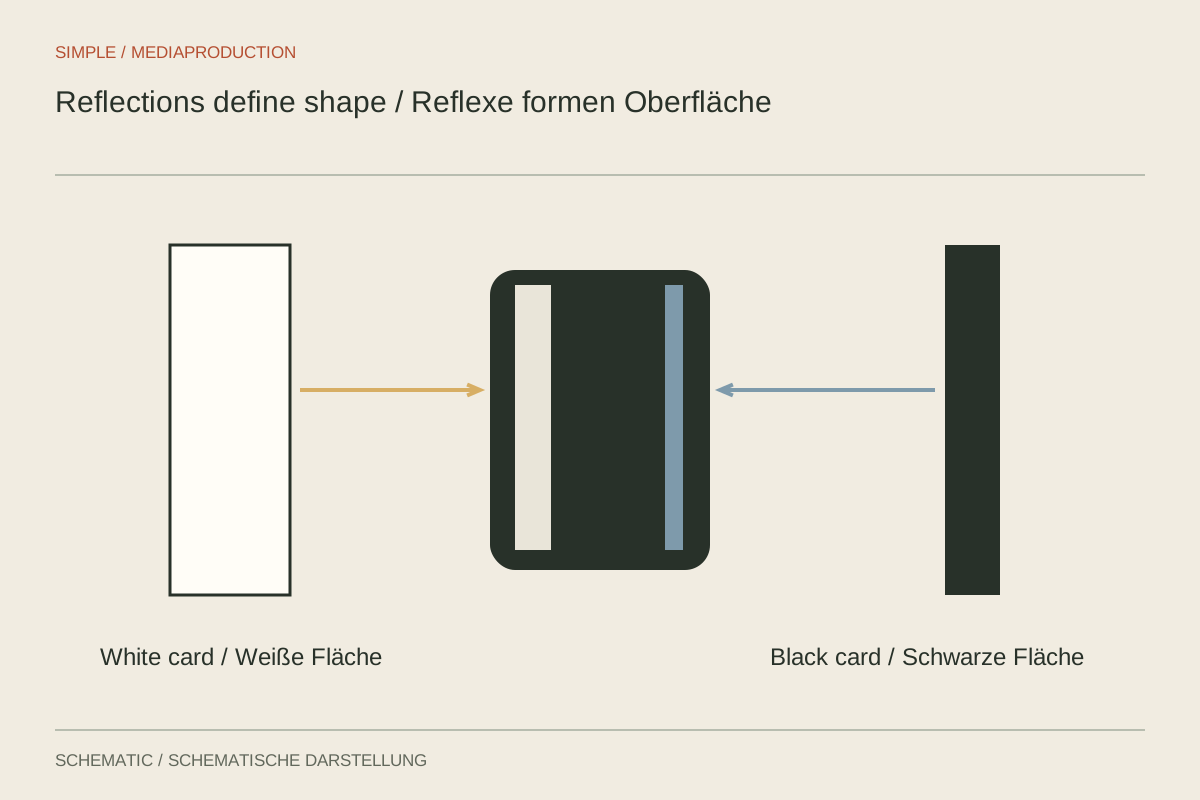
Glossy surfaces reveal their surroundings. Shape the bright and dark areas they reflect instead of trying to remove every reflection.
Light & location
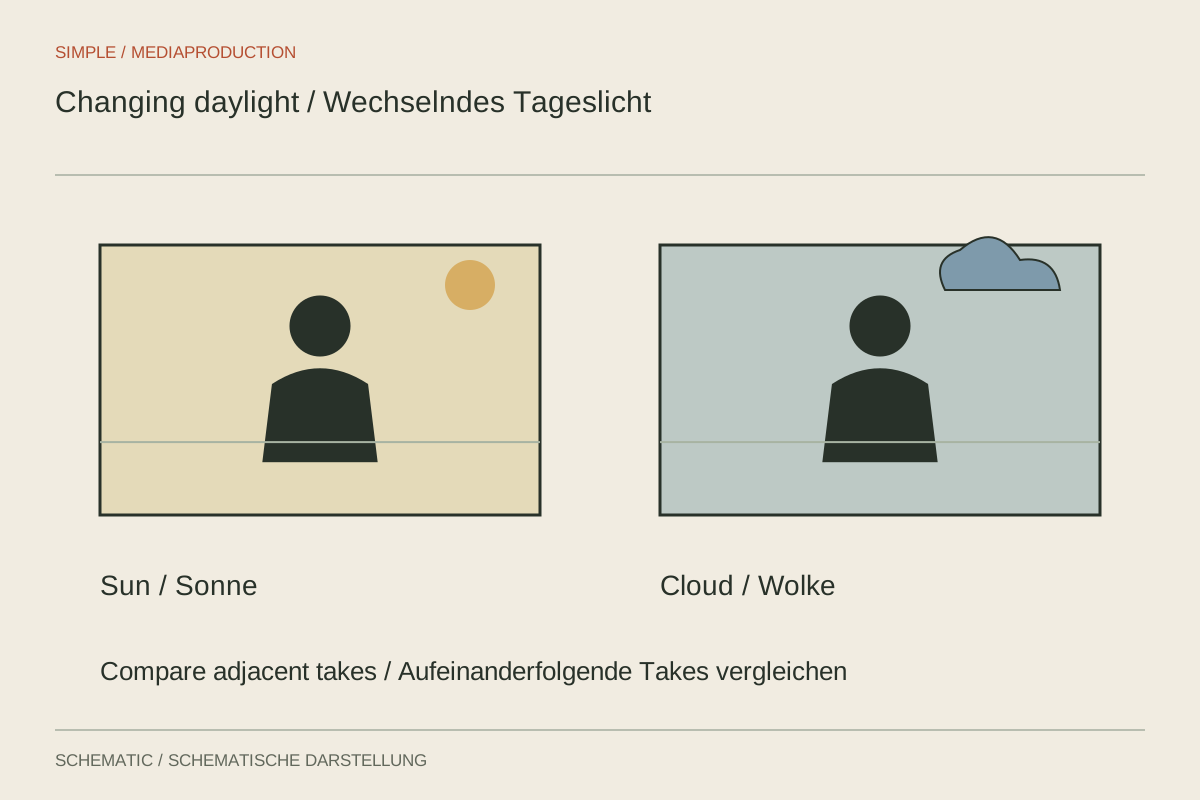
Clouds and moving sunlight change connected shots. Locked exposure alone does not make the lighting consistent.
Light & location
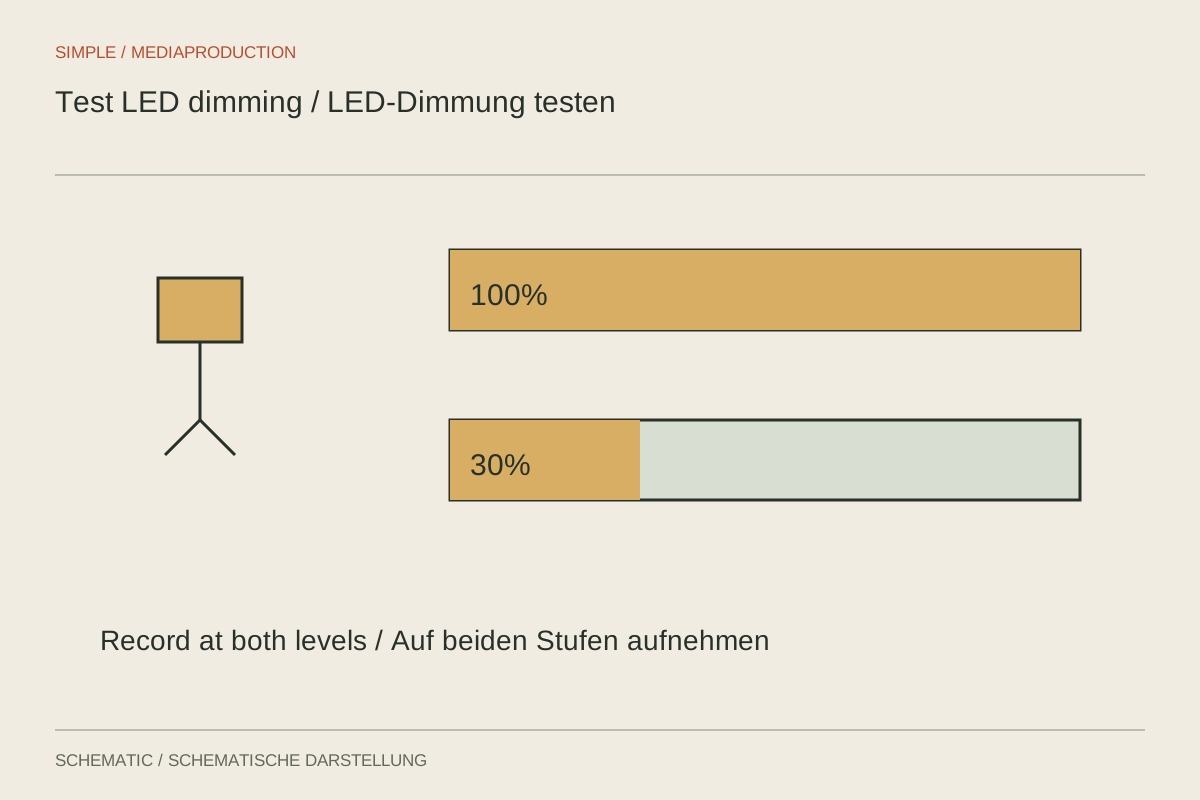
An LED can look clean at full output yet misbehave when dimmed. Test the exact fixture, dimming level and camera settings together.
Light & location
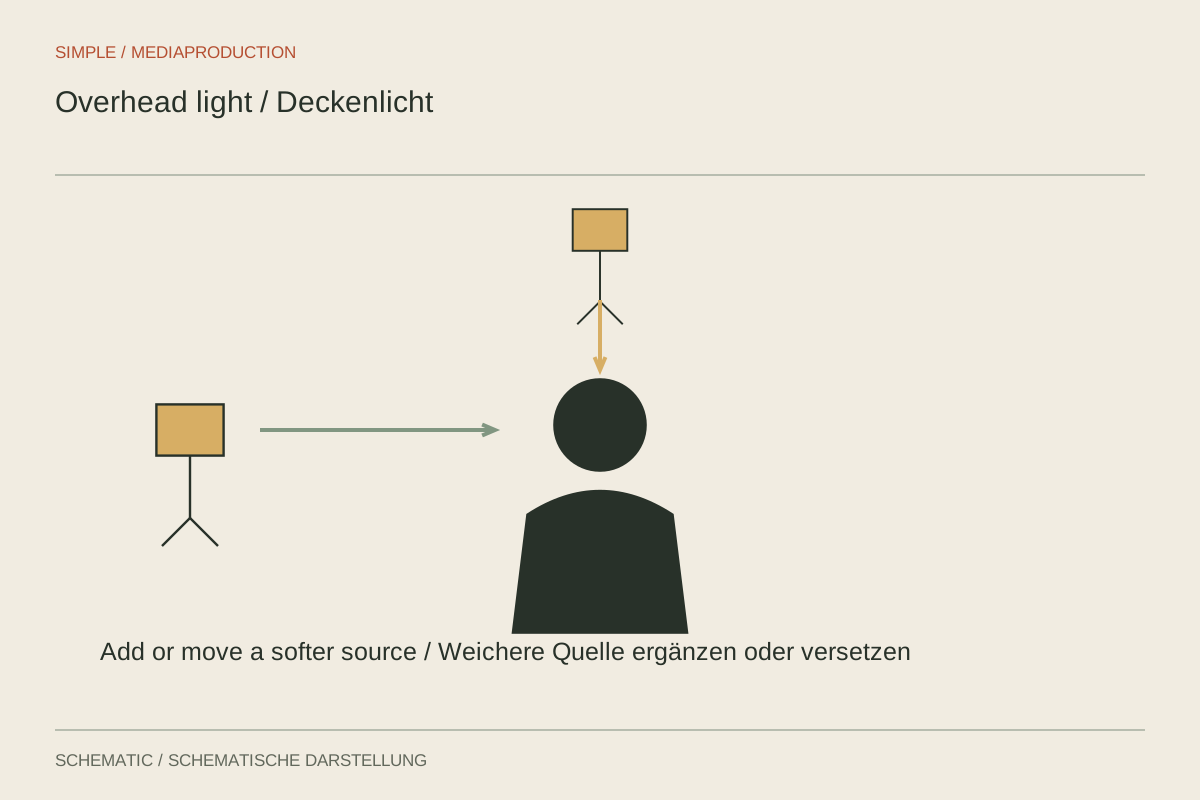
Light directly overhead can shadow eyes and overemphasise the forehead or table. Seating position is often the first useful adjustment.
Light & location
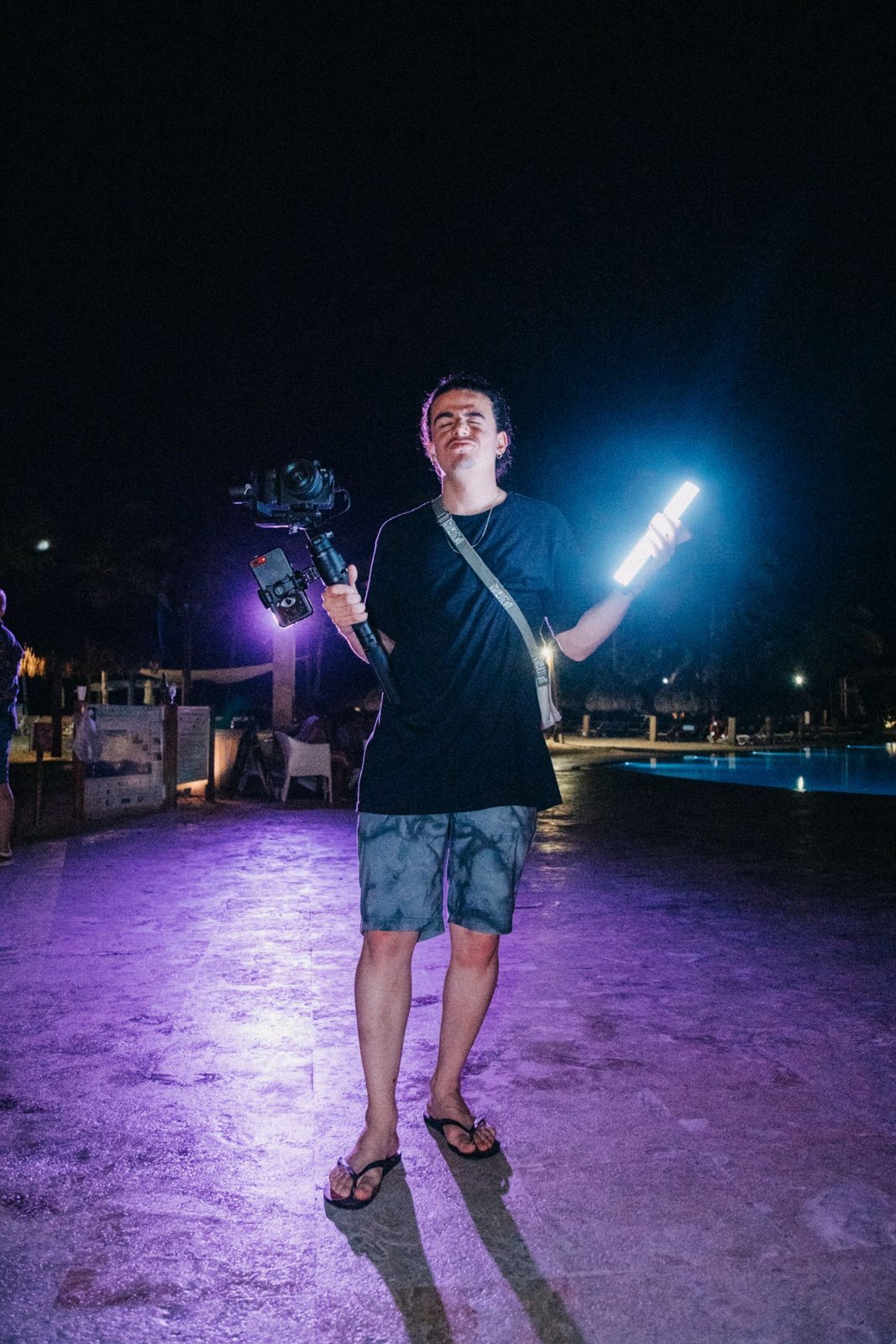
A portable kit includes support, power and modifiers as well as fixtures. Plan it around a specific recording situation.
Light & location
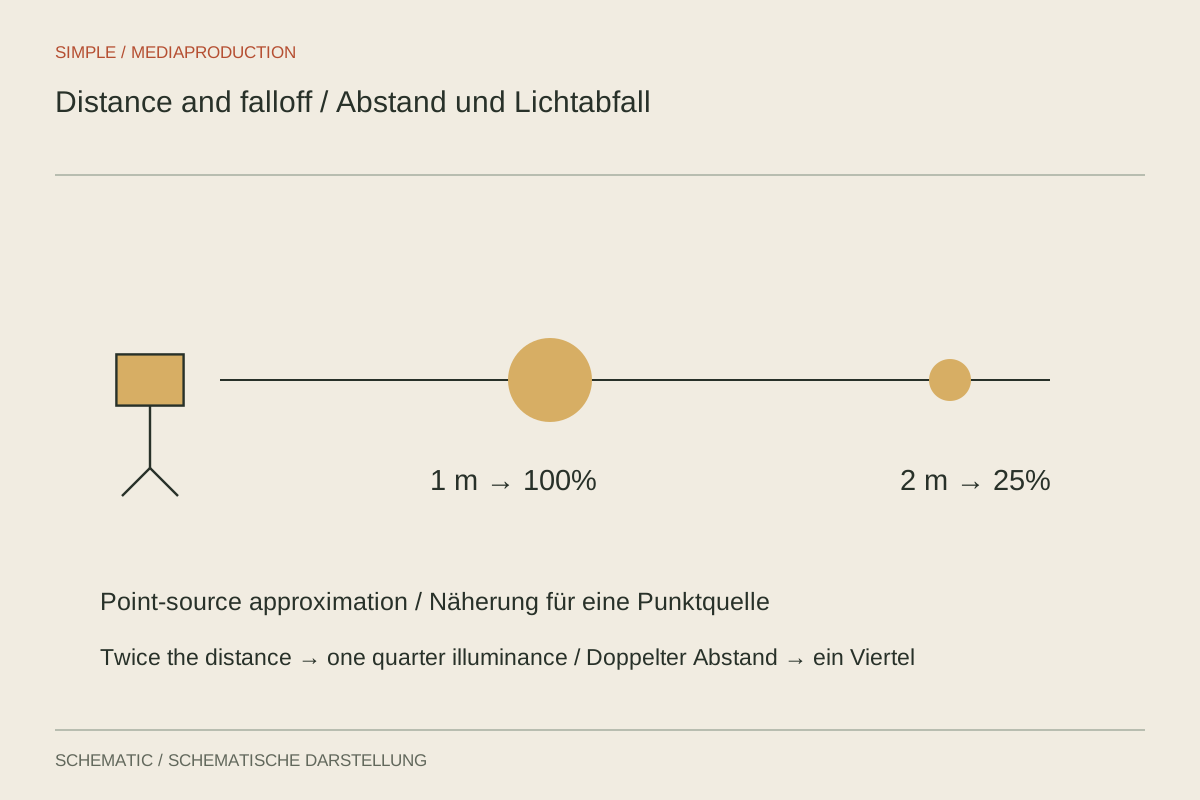
Distance changes more than brightness. It affects differences between speaker and background, and the impact of small movements.
Light & location
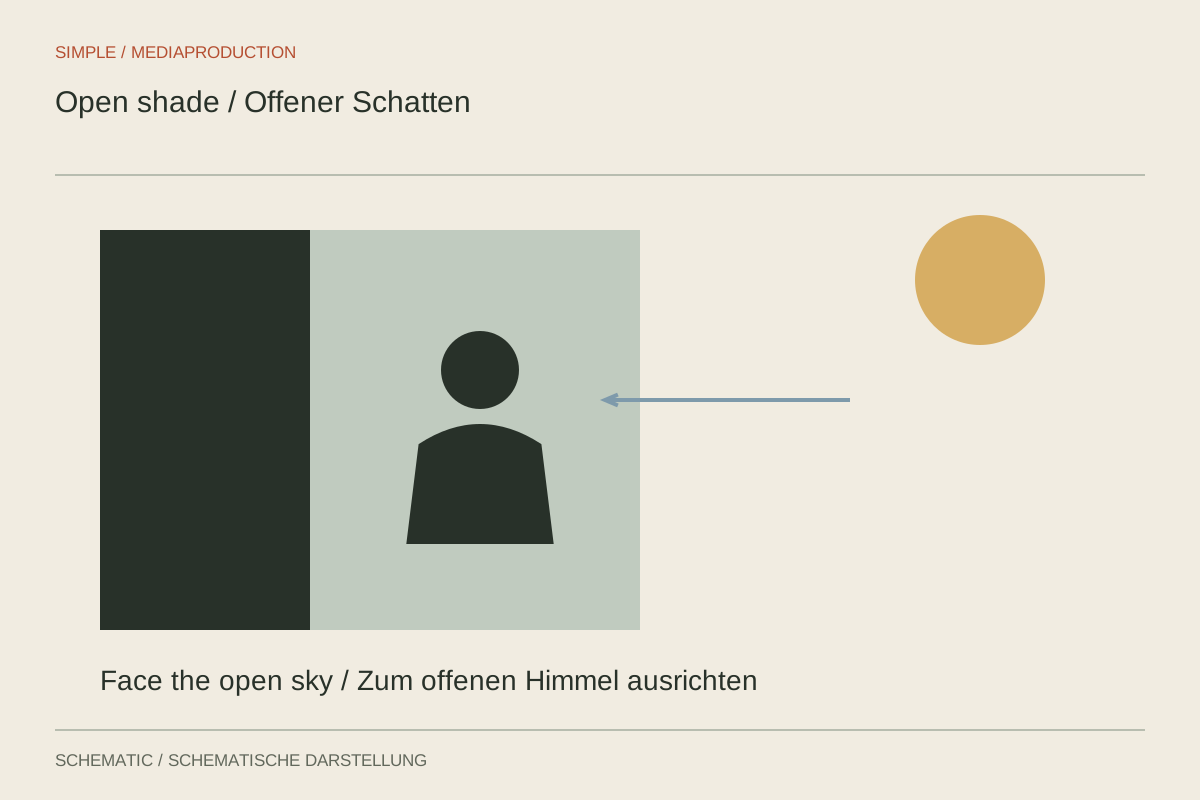
Not every shaded position gives calm facial light. Check the open sky, the ground and moving patches of sun.
Light & location
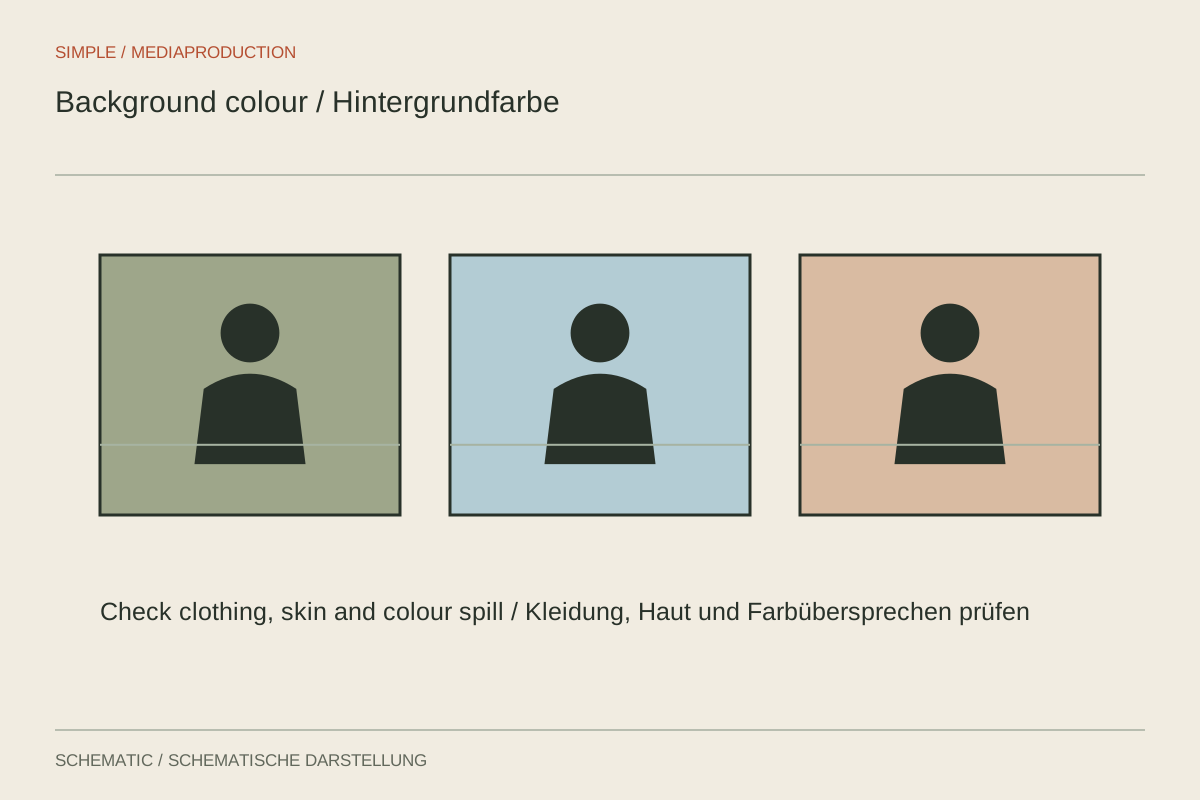
Background colour should support clothing, skin and graphics. Test the actual surface under the intended light.