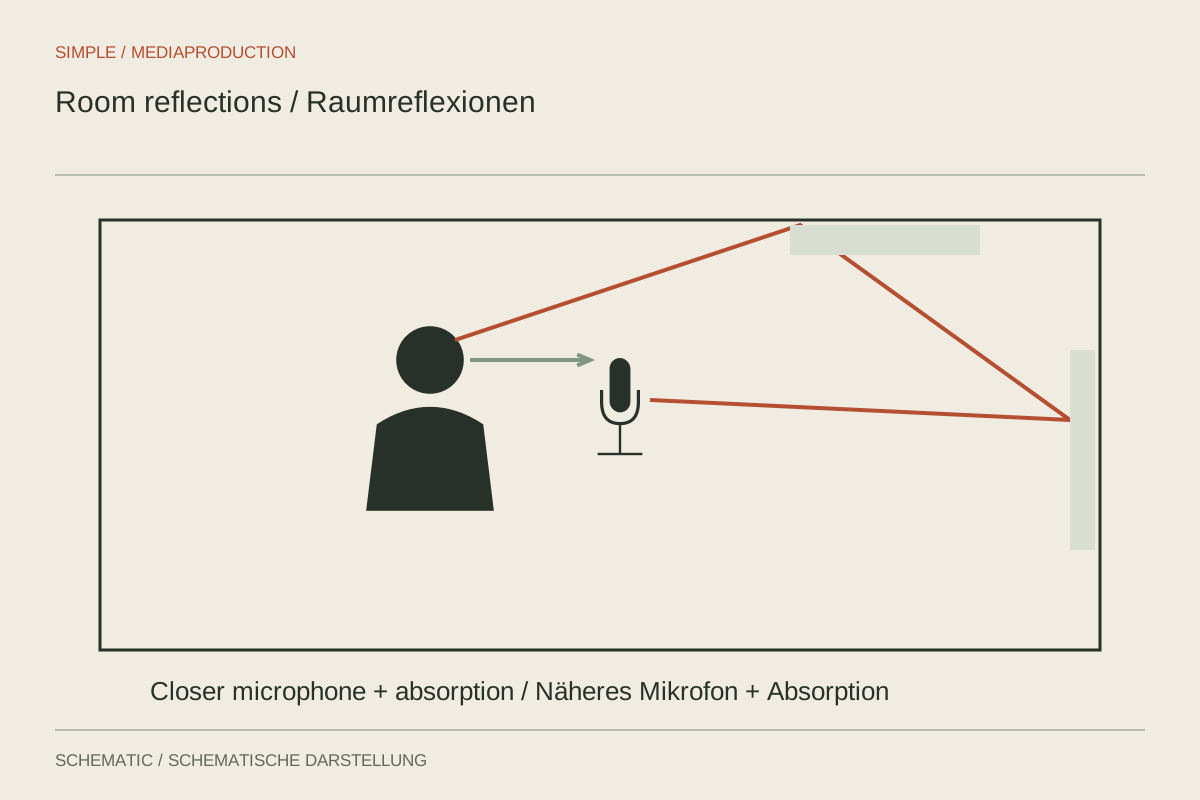
In an empty meeting room, syllables remain audible briefly after the speaker stops. On the recording, this decay overlaps the following words. A microphone cannot arbitrarily separate direct sound from its reflections. Improvement therefore starts in the room: with the speaker's position, microphone distance and surfaces that return strong reflections.
Distinguish reverberation from other problems
Record a short sentence with clear word endings and leave several seconds of silence afterwards. Steady fan noise continues throughout the pause. Reverberation decays after the final word. Both can occur together, but require different measures. A noise filter that reduces the fan does not automatically remove the room sound.
Listen to the file on headphones at a normal level. In the room, listeners quickly adapt to its acoustics and also understand the speaker through visual contact. The recording better represents what a later viewer receives. Compare two positions using the same spoken passage and similar delivery level, so changes in performance do not dominate the comparison.
Give direct sound more prominence
Move the microphone closer to the voice without compromising breath protection, framing or movement. A visible lavalier or nearby boom can substantially outperform a distant camera microphone. Increasing recording gain does not replace that shorter distance: it also amplifies the room already captured.
With a tabletop microphone, avoid seating the speaker at the far end of the table. Arrange microphone and chair for a comfortable, repeatable distance. Ask for a sideways look and return. The best position while motionless contributes little if every normal turn moves the voice away from the favourable pickup direction.
Change reflective surfaces deliberately
A room with curtains, upholstered furniture and filled shelves may work better than an empty glass-walled room. If several locations are available, start with the one that sounds calmer. Within one room, a position away from a bare corner may also help. A corner immediately behind the head combines several reflective surfaces.
Existing heavy curtains or suitable mobile absorbers can help when placed where troublesome reflections originate. One thin blanket somewhere in the room is not a dependable complete solution. Secure materials and stands, keep escape routes clear and avoid covering ventilation or hot equipment. Judge each change with another spoken test rather than only a handclap.
Understand processing limits
Moderate dereverberation can improve a usable take. Heavy processing may introduce metallic tails, missing word endings or changing tone. Listen particularly to quiet syllables and breathing gaps. The apparently driest result is not automatically the most intelligible.
For a planned conversation, moving location is often faster than repairing an entire hour. If the location is essential to the content, consider closer microphone placement, shorter statements or separate explanatory narration recorded somewhere quieter. Such choices should suit the presentation and should not falsely suggest a spontaneous on-location statement. Keep an accepted test so recording quality does not gradually deteriorate unnoticed during filming.
Compare two remedies with the same sentence
For a meaningful trial, keep the speaker in place and record the same short paragraph twice: first at the existing distance, then with a closer microphone. Approximately match playback loudness. If the second version becomes clearer without increased hiss or breath impacts, distance is an effective control. If room sound remains intrusive, repeat the comparison in a more softly furnished location. This distinguishes a problem solvable through a small rearrangement from one that calls for changing rooms.