24 articles
Sound & podcasts Record intelligible speech and address unwanted noise at its source.
Sound & podcasts
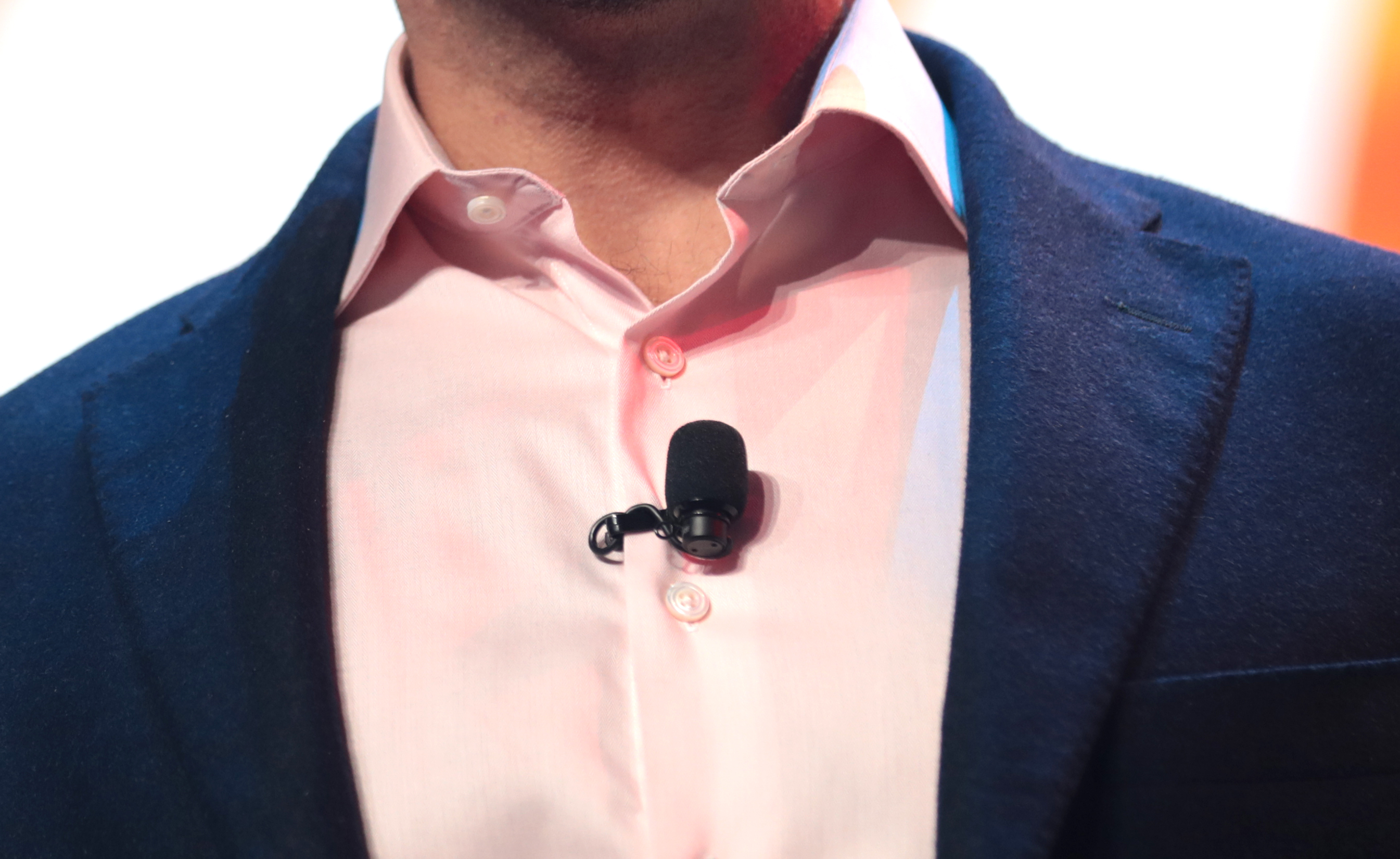
Where the mic sits affects more than volume. Keep its sound inlet clear, prevent rubbing and test the movements the speaker will actually make.
Sound & podcasts
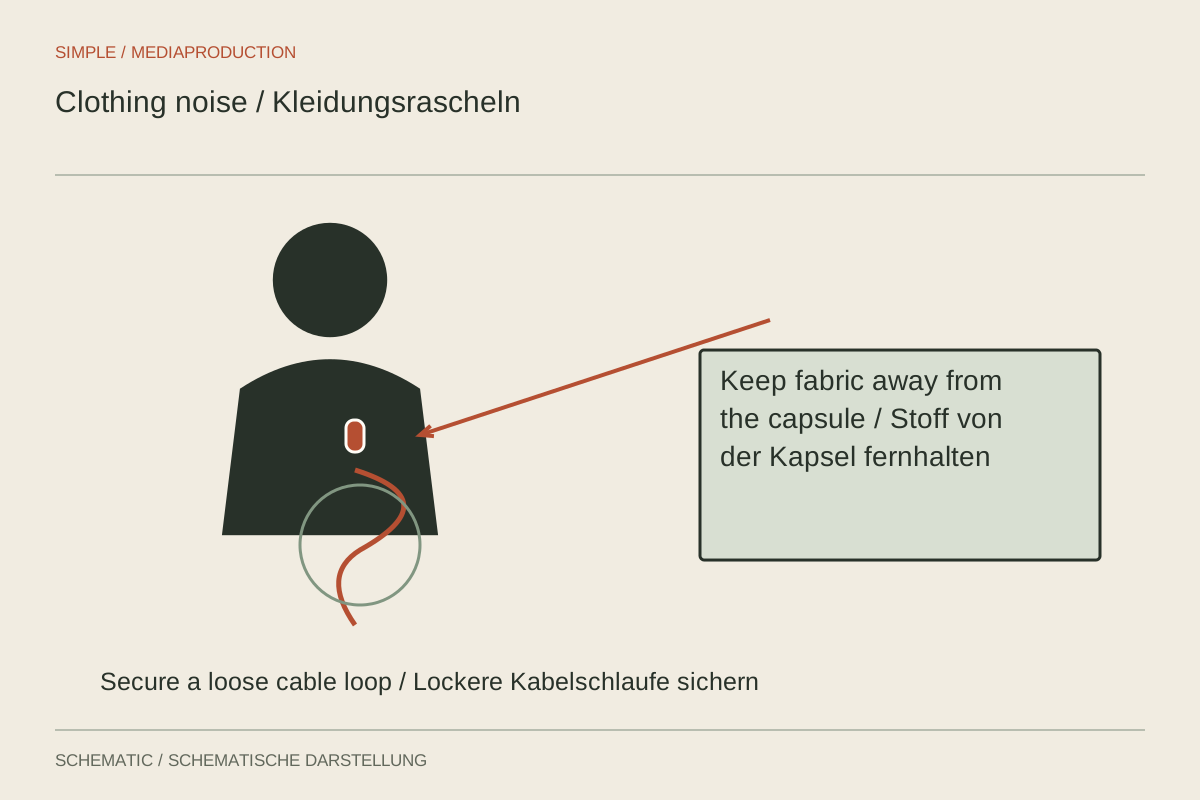
Rustling can come from fabric, jewellery or cable tension. A movement test separates these causes better than a gain adjustment.
Sound & podcasts
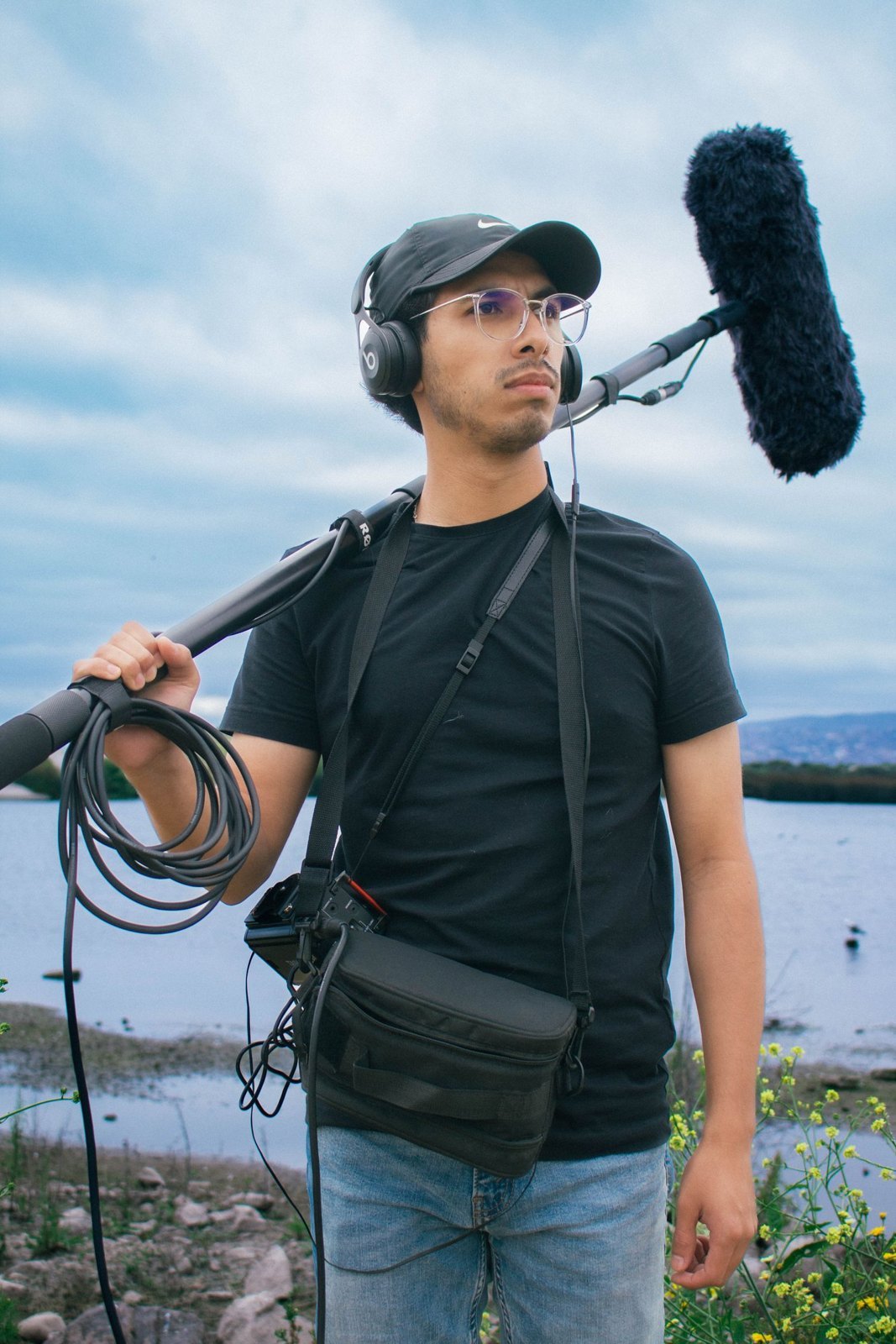
A directional microphone needs proximity and suitable aim. Staying out of frame is only one of several requirements.
Sound & podcasts
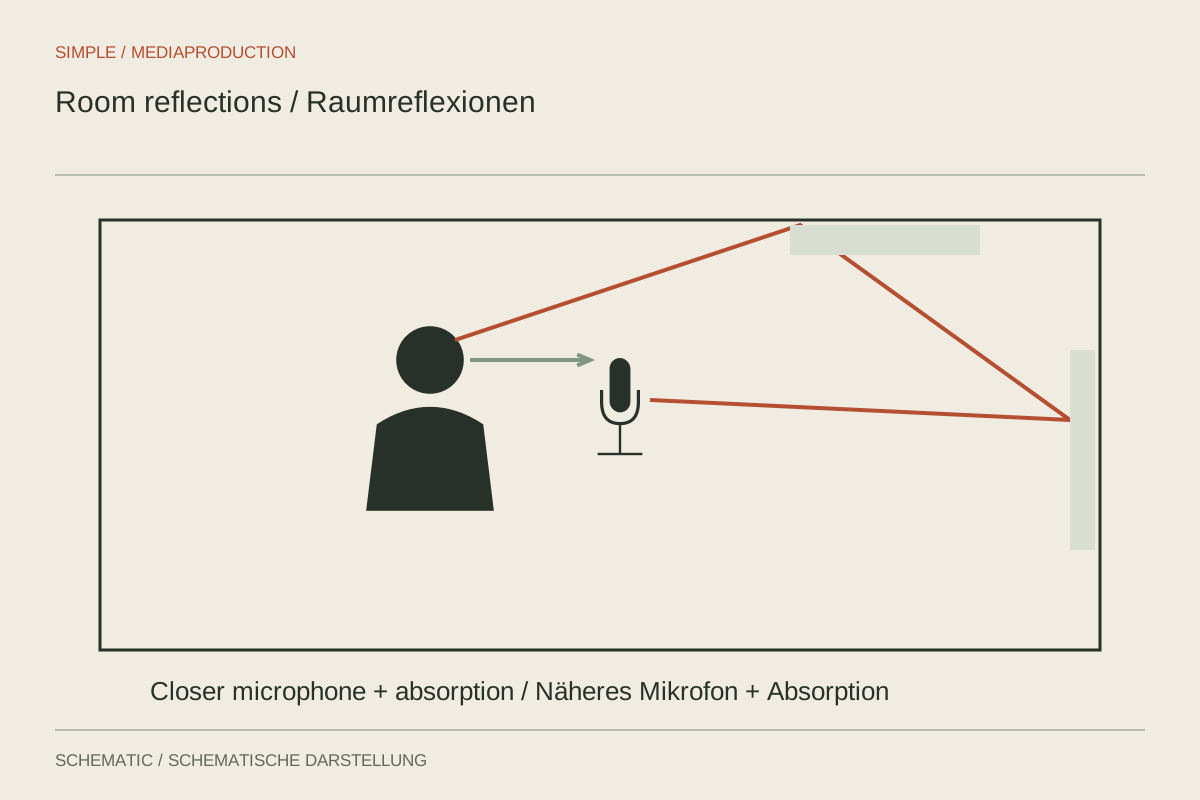
Reverberation is delayed room sound, not steady noise. Microphone distance and location often help more than aggressive processing.
Sound & podcasts
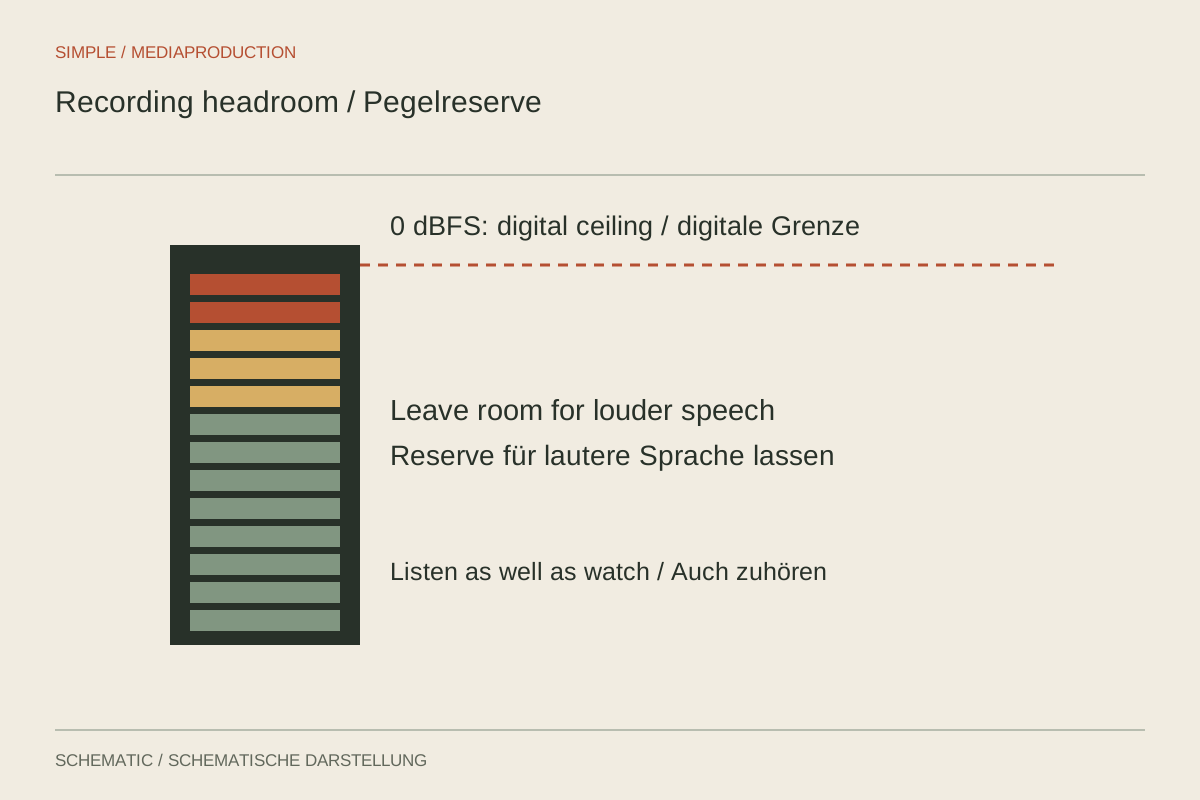
The loudest plausible moment determines headroom. Set the input and distinguish it from headphone volume and output level.
Sound & podcasts
Meters show activity; headphones reveal faults. Monitor the signal at the point where it is actually being recorded.
Sound & podcasts
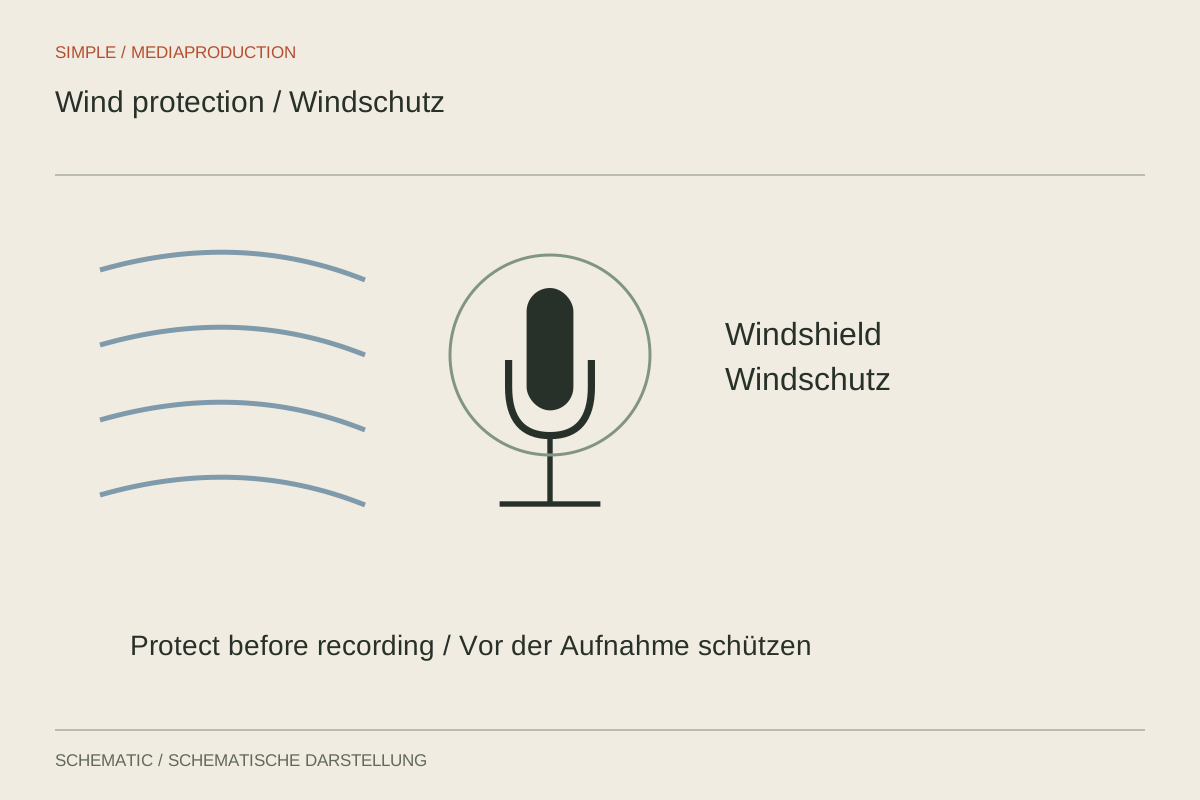
Wind protection must suit the microphone and airflow. Editing filters cannot reliably repair an overloaded capsule.
Sound & podcasts
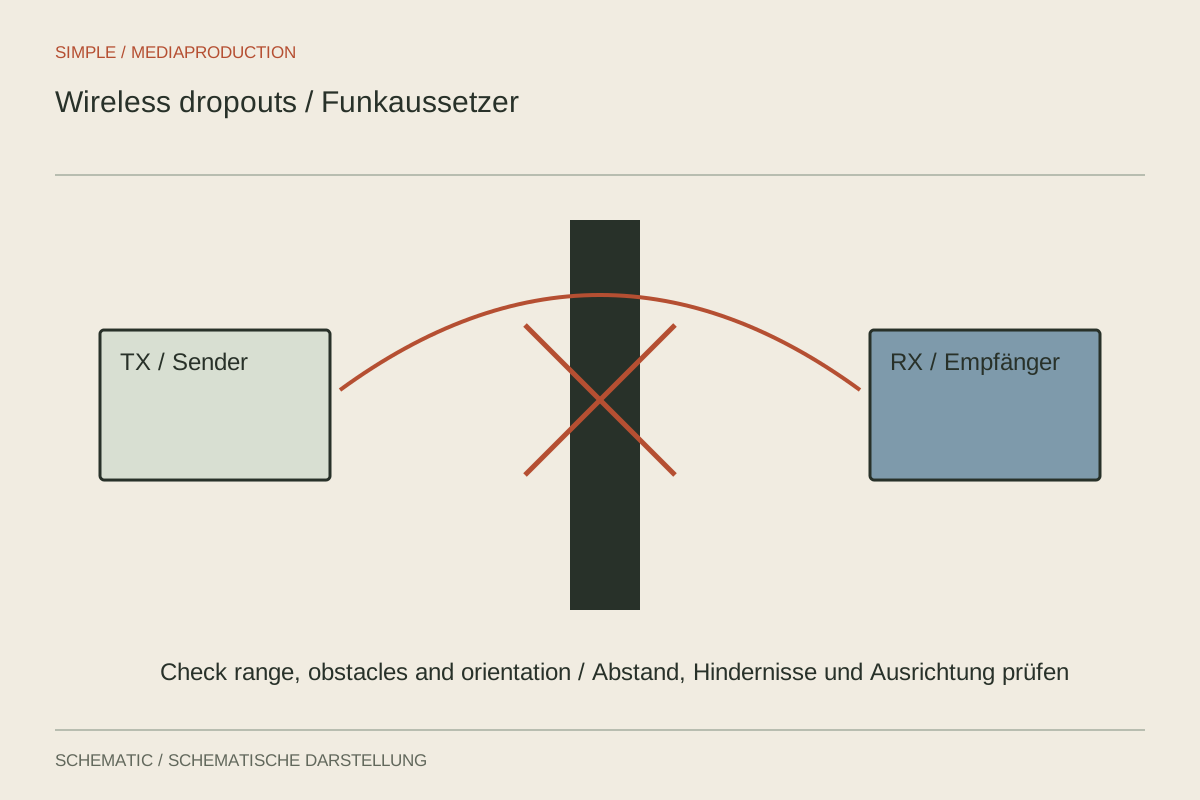
A dropout may originate in the radio link, cable or recording. Separate those stages with controlled comparisons.
Sound & podcasts
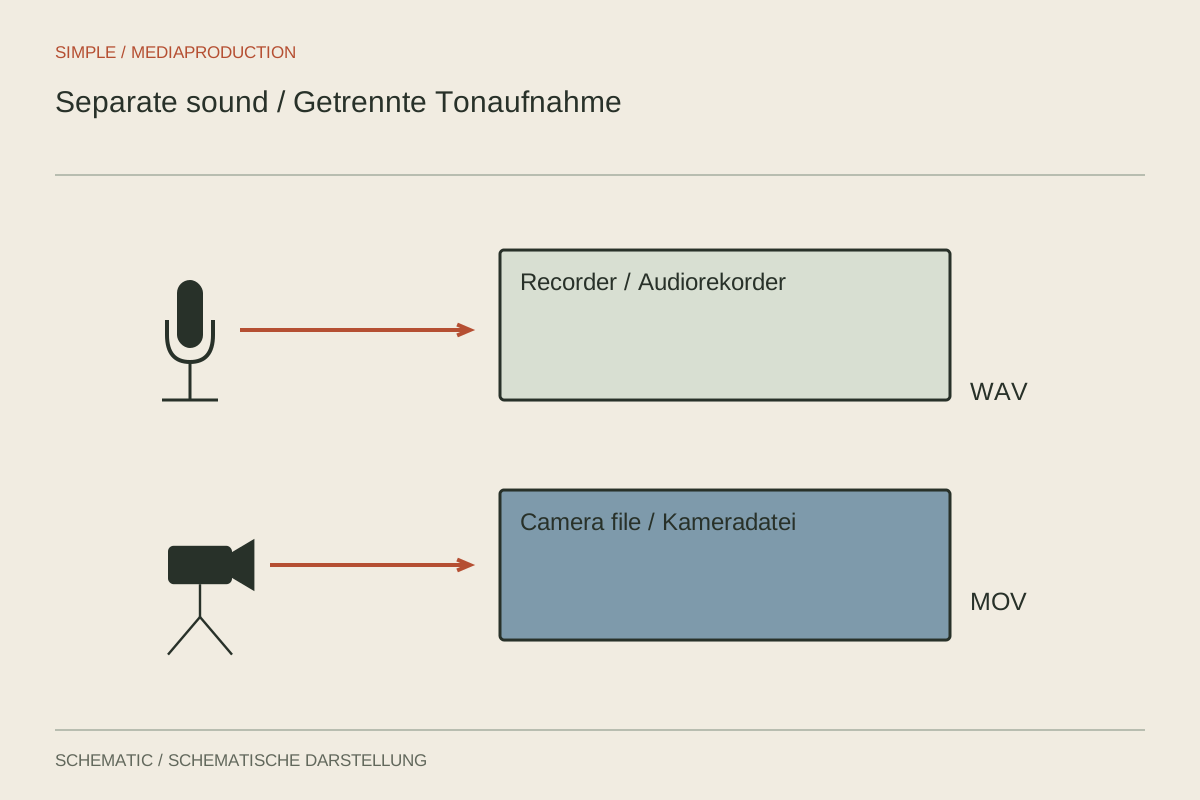
Separate sound recording needs an unambiguous relationship to the camera. Plan synchronisation, naming and checks before the first take.
Sound & podcasts
A clap gives picture and sound a shared instant. It must be visible, audible and clearly identified.
Sound & podcasts
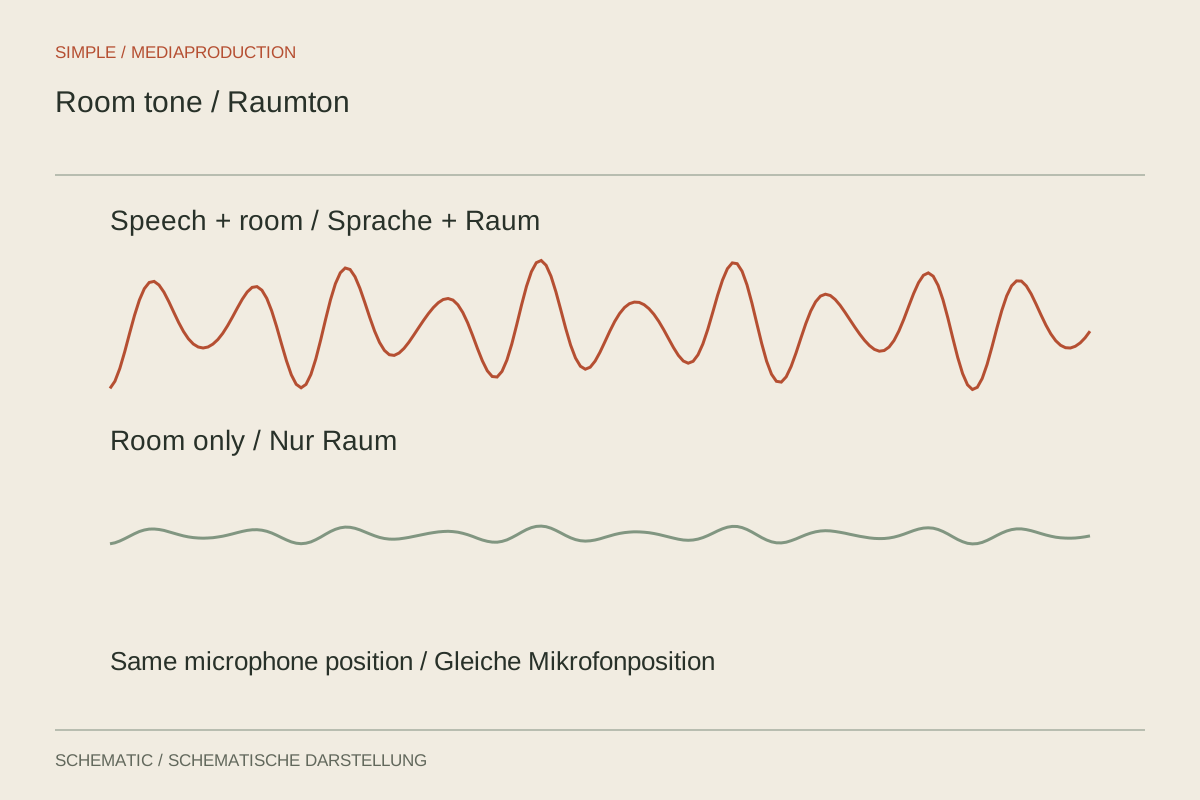
Room tone connects speech edits with the same acoustic environment. Capture it under the same conditions as the conversation.
Sound & podcasts
Consistent distance stabilises level and tone. Position the microphone for a natural seated posture rather than forcing the speaker around it.
Sound & podcasts
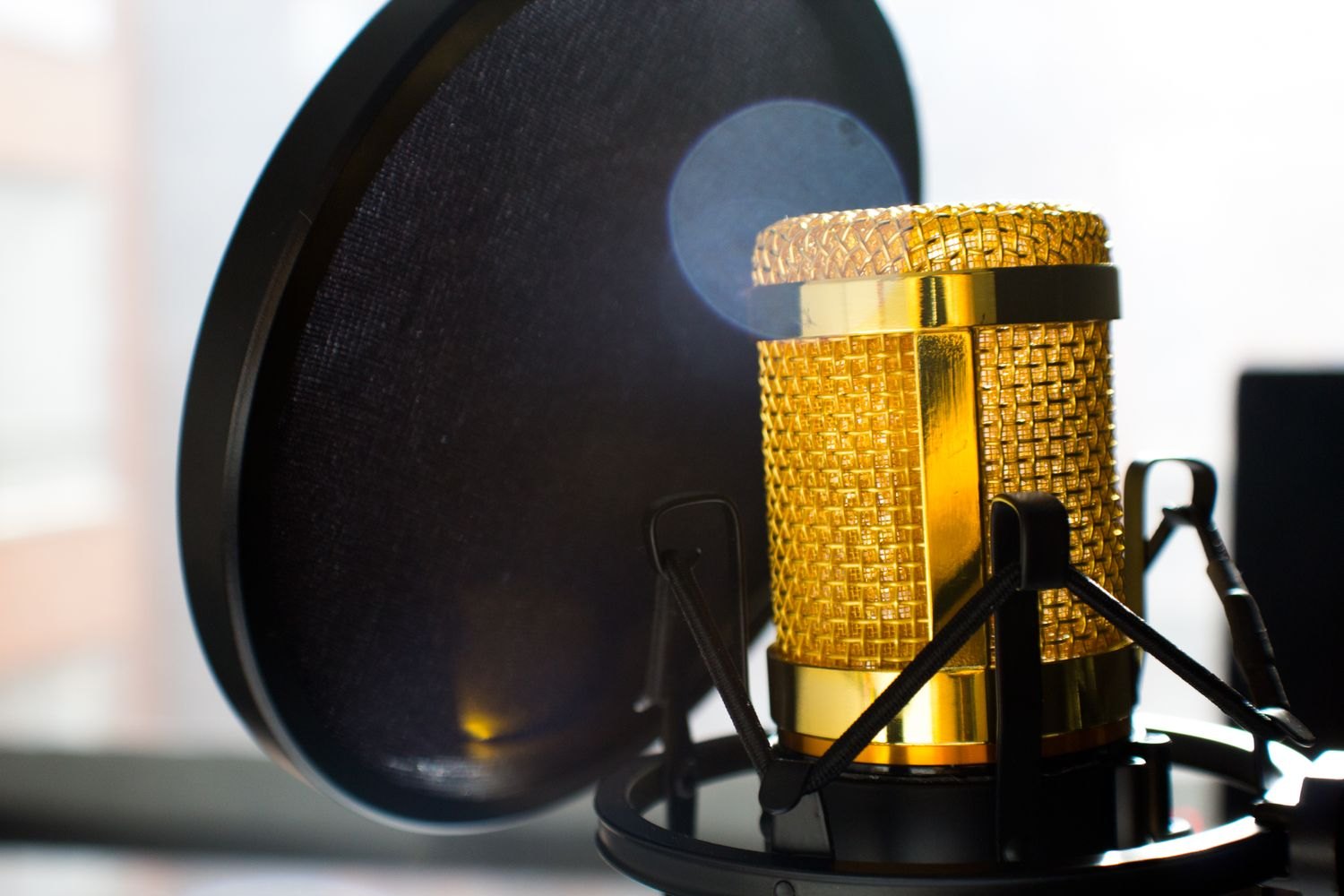
P and B sounds can send air bursts into the capsule. Slightly off-axis placement and a suitable pop filter often preserve more detail than heavy filtering.
Sound & podcasts
Two microphones become independently editable voices only when their channels are saved separately. Check spill and routing before the conversation.
Sound & podcasts
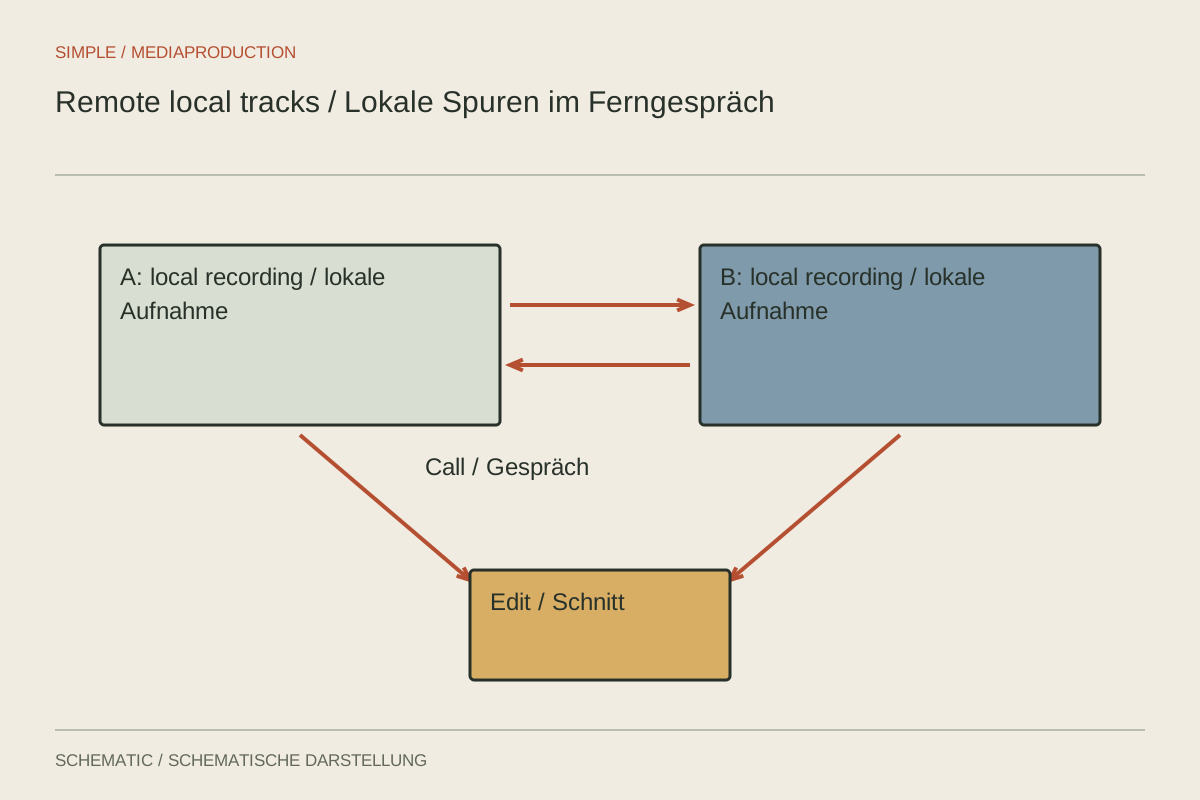
Local tracks can separate connection problems from the captured signal. They still require preparation, upload checks and an understandable edit.
Sound & podcasts
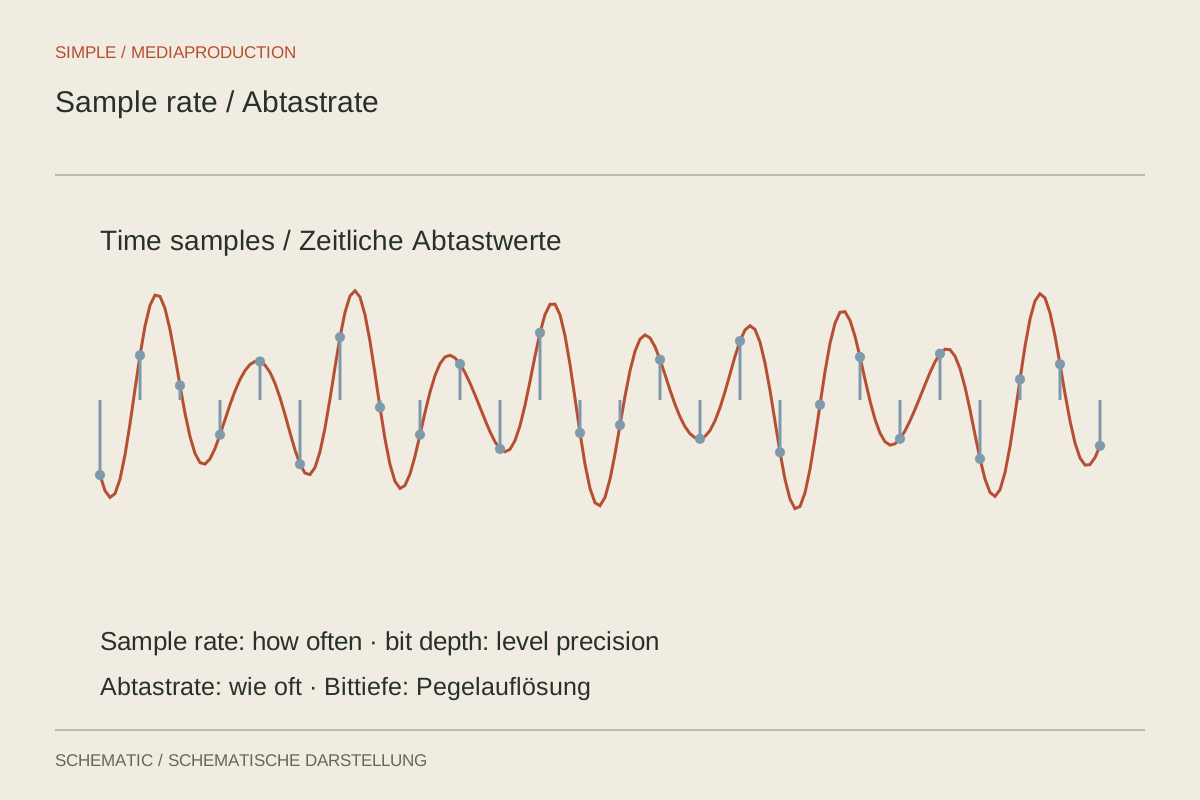
Sample rate describes measurements over time; bit depth describes their representation. Consistent settings and correct conversion matter more than the largest numbers.
Sound & podcasts
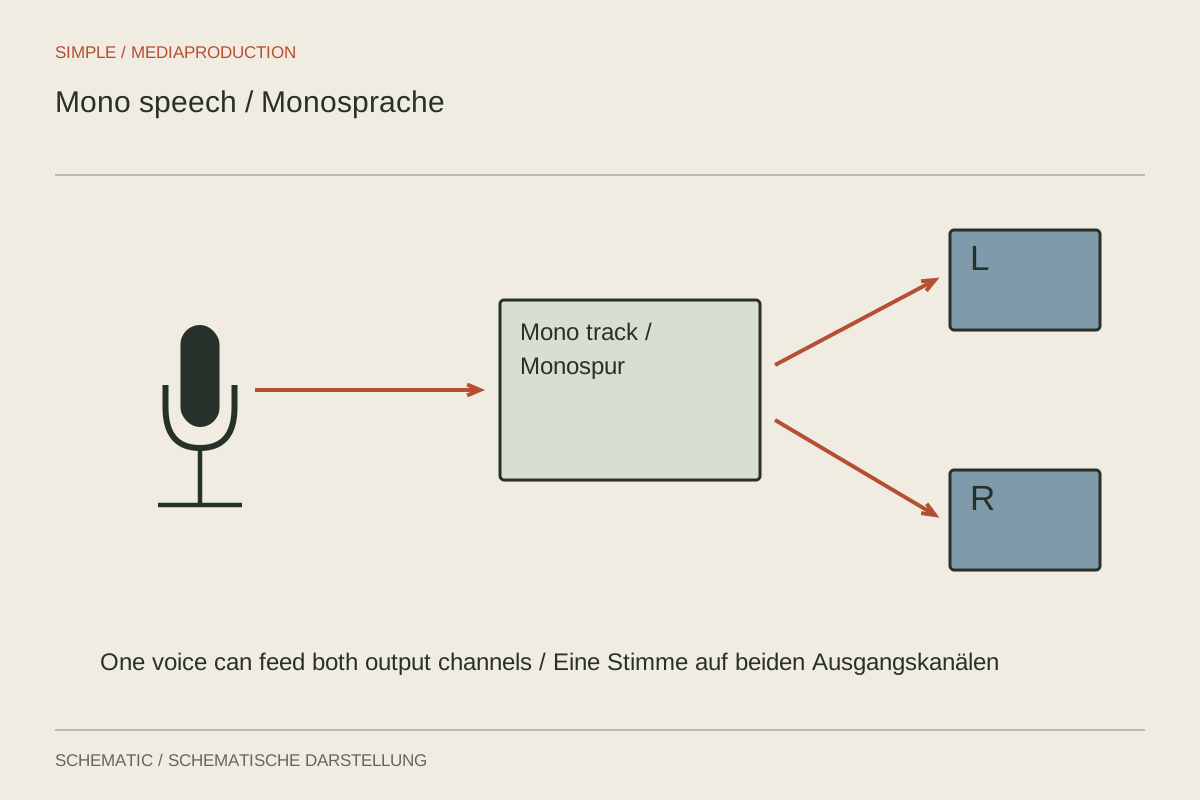
A single voice usually needs no artificial stereo width. Distinguish recording channels from its eventual position in the mix.
Sound & podcasts
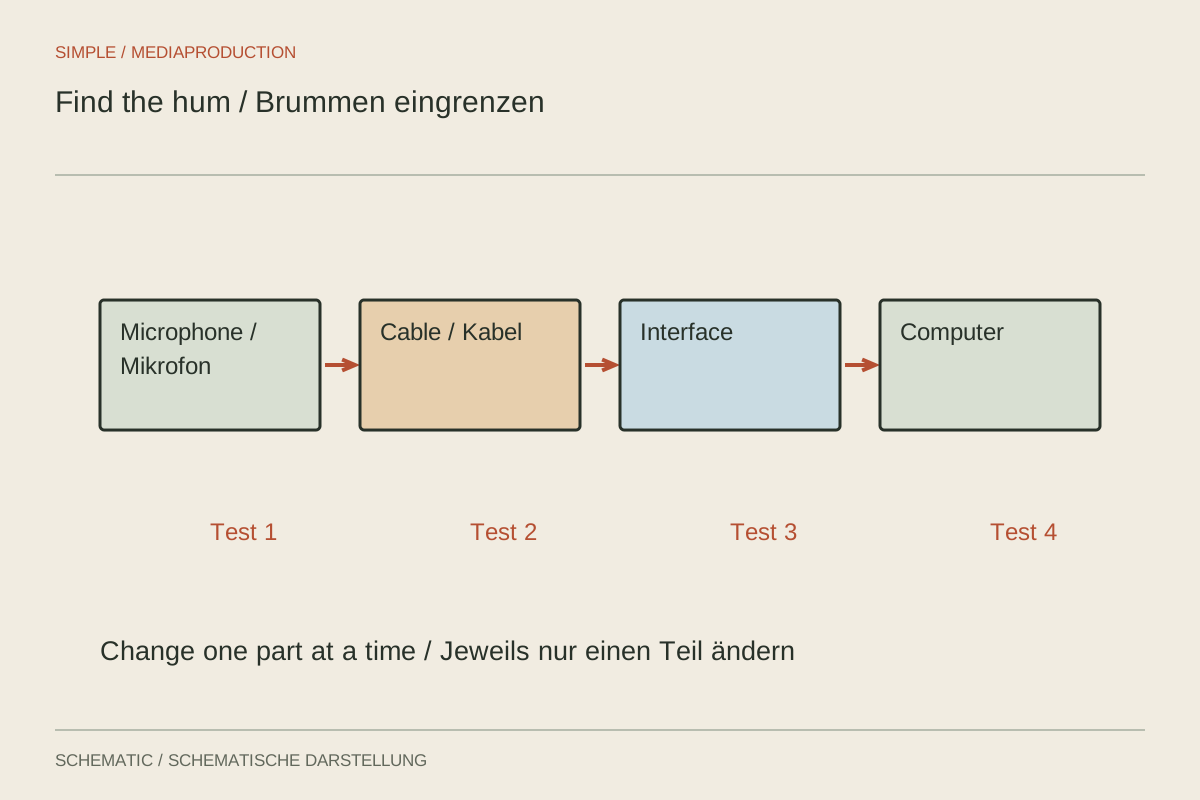
Hum is easier to locate when the signal chain is simplified step by step. Change only one connection per trial.
Sound & podcasts
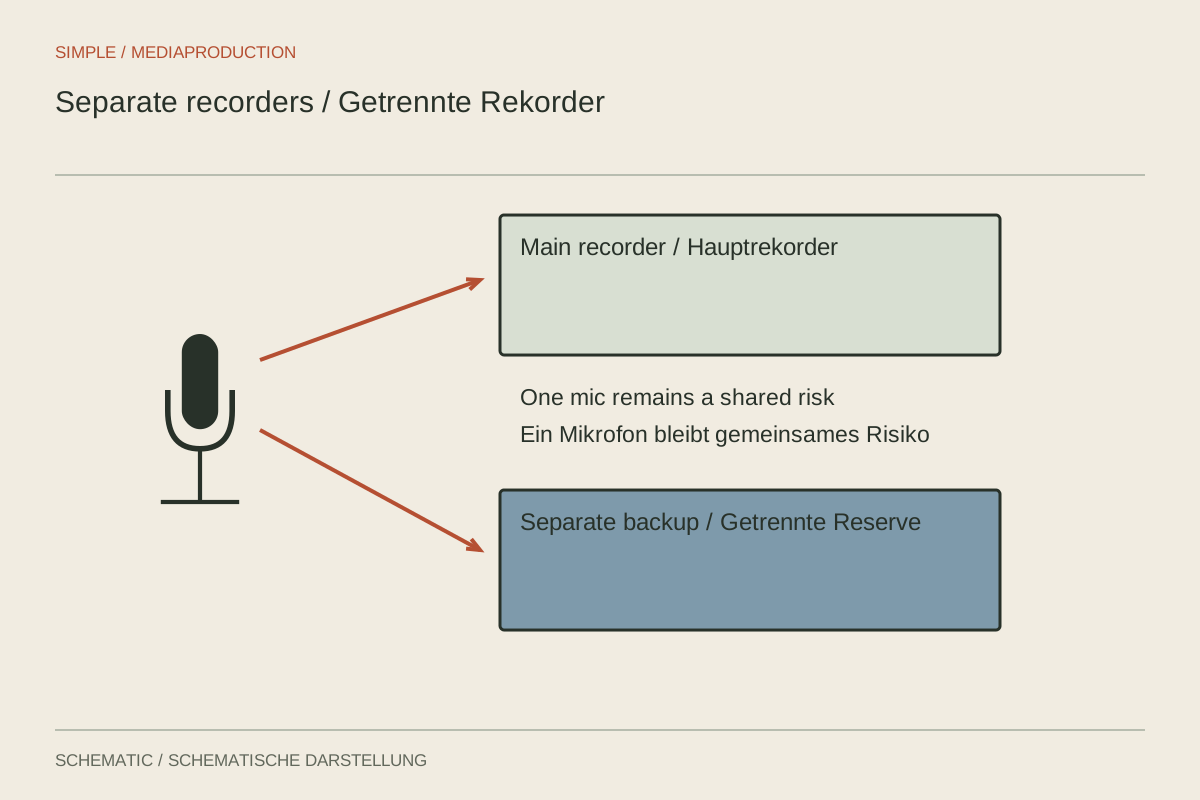
A backup protects only against faults it does not share with the main recording. Distinguish a second channel from an independent path.
Sound & podcasts
Voiceover recording becomes easier when script, posture and files are prepared. Record complete thoughts and make retakes traceable.
Sound & podcasts
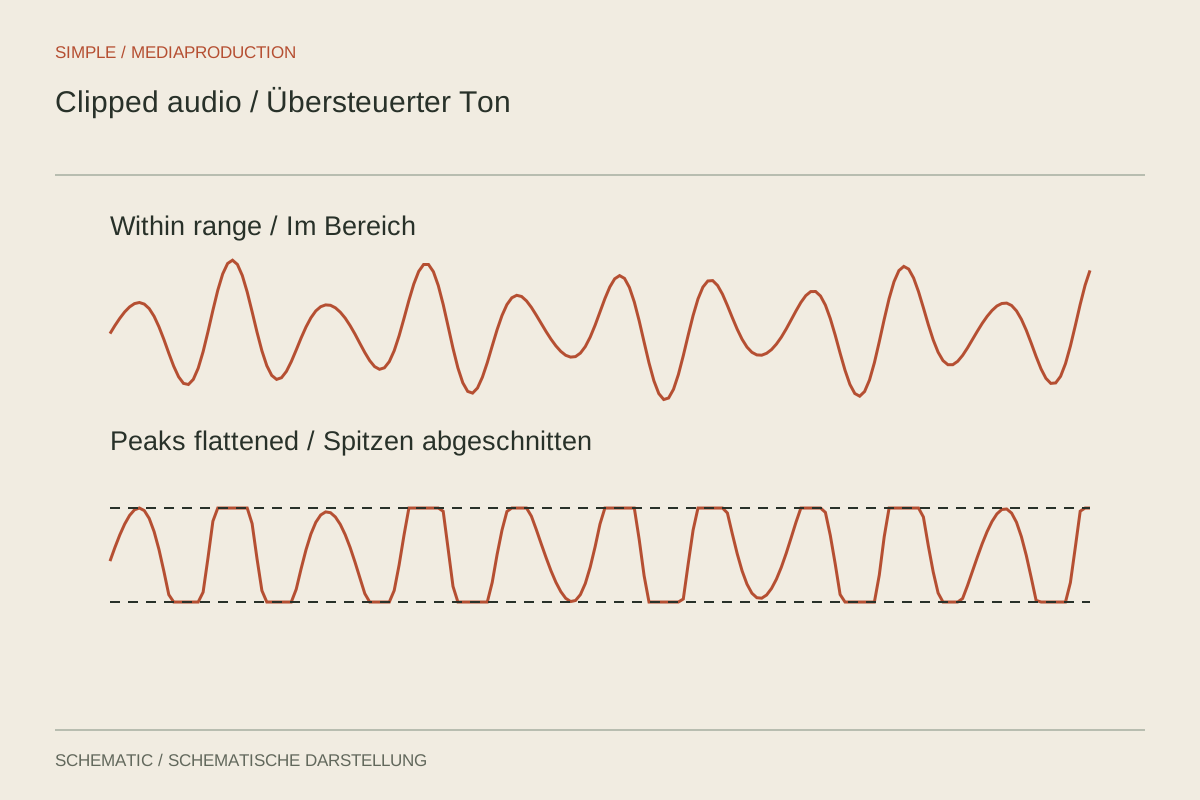
Distortion can occur before the final meter. A quiet export therefore does not prove the recording was clean.
Sound & podcasts
Noise reaches a microphone through air and solid connections. Check both routes before applying stronger filtering.
Sound & podcasts
A short sound check should verify speech, movement and the saved file. A responding meter alone is insufficient.
Sound & podcasts
Ambience describes a place and its perspective. Record it deliberately rather than treating incidental camera sound as a generic background.