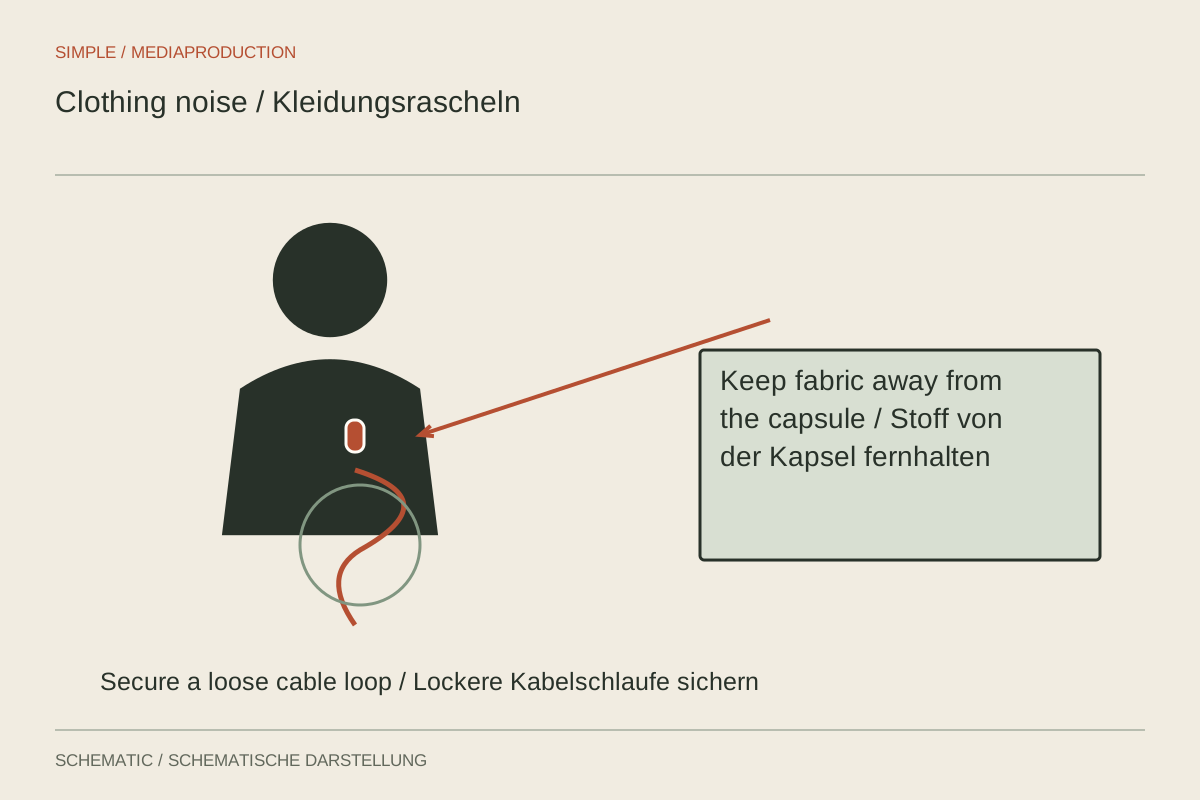
A voice sounds clear until the speaker folds their arms. Dry scratching then covers several words. The microphone may be working perfectly; the problem originates in its mounting. Reducing recording gain usually makes both voice and disturbance quieter. Instead, begin with a short test of the exact movement that causes the noise.
Inspect contact points individually
Watch the capsule during turning, sitting and gesturing. If a collar, jacket or hair touches it, create clearance there first. Ask the speaker to reposition a necklace temporarily if it strikes the clip. Discuss clothing changes and let the person make personal adjustments themselves.
If the sound remains, inspect the cable immediately below the mounting. A taut lead can transmit movement into the microphone. A small loose loop and suitable attachment to the garment may help. Avoid sharply bending or excessively clamping the cable. Repeat the same movement afterwards so the comparison remains meaningful.
Concealment requires extra space
Beneath clothing, fabric must not move freely across the capsule. Purpose-made mounts provide clearance and reduce contact. Different fabrics and mountings do not behave identically. A stiff jacket may remain audible while walking even when it does not touch the microphone tip directly.
For an explanatory interview, a visible microphone is often easier to manage. If concealment worsens the sound, a discreet external mounting is a reasonable decision. Alternatively, a nearby microphone outside the frame removes clothing from the mounting arrangement altogether.
Listen to the recorded file
Check an actually saved test, not only the wireless signal at the receiver. A meter does not distinguish speech from friction. Listen on headphones at a normal level, paying particular attention to word beginnings during movement.
Note any later sentence affected by rustling in the recording log and repeat it promptly where possible. Noise reduction cannot reliably separate these short, broad-spectrum disturbances from consonants. After a jacket change or a new seated position, another brief movement test belongs in the setup, even if the first arrangement was already clean.